Fang currently serves as Chair Professor at Shanghai Jiao Tong University, Dean of the Institute of Digestive Diseases of Shanghai Jiao Tong University School of Medicine (SJTUSM), Director of the Digestive Disease Center of Renji Hospital, Executive Director of Renji Anhui Hospital, Director of the Shanghai Institute of Digestive Disease (SIDD), Director of the Shanghai Clinical Quality Control Center for Gastroenterology, and Director of the Key Laboratory of Gastroenterology of National Health Commission.
Over the past decade, as Director of Gastroenterology at Renji Hospital, Fang has helped elevate the discipline to new heights, establishing multiple national “firsts” and advancing both basic research and clinical care in China’s gastroenterology community.
Continuing the academic legacy of earlier masters such as Academician Jiang Shaoji and Professor Xiao Shudong, Fang pioneered research on the relationship between the gut microbiome and cancer in China, opening new directions for cancer prevention in gastroenterology.
A dedicated clinician and active researcher, he leads his teams daily in exploring “new territories” of digestive science.
Time changes and lifeunfolds in many colors. Fang believes that everyone should strive toward their goals and never let time slip away silently like flowing water. Only then can life become truly vibrant and meaningful.
A Journey in Medicine: Mentorship from Masters
The illness sparked Fang’s motivation to pursue a career in medicine in his family during his childhood. Determined to help others, he chose to enter medical school,a place where youthful ambition meets intellectual rigor. Here, countless students navigate the vast ocean of medical knowledge, using their minds to chart a path toward their dreams. At dawn, as the first light spreads across the campus, Fang is already in the classroom. In the quiet of the morning lectures, he listens attentively, studies diligently, and immerses himself in the exploration of medicine’s many wonders.
After graduation, he joined XuzhouNo. 1 People’s Hospital in Jiangsu Province. “This hospital was the starting point of my medical career. In this new environment, I met several highly skilled and knowledgeable senior experts who profoundly inspired and shaped my development,” he recalls. In the 1980s, gastrointestinal endoscopy was just beginning to be introduced in Chinese hospitals. Under the guidance of senior specialists, Fang observed procedure after procedure. “To directly visualize the inside of the human body was both fascinating and practical,and the fact that therapeutic interventions could also be performed under the scope made it even more remarkable,” he says.
Even then, Fang recognized that a career in gastroenterology would be more engaging and place him at the forefront of emerging medical technologies. Through clinical practice, he not only gained extensive medical knowledge but also honed a meticulous, patient-centered approach to diagnosis and care. The 1990s brought rapid global integration, and after several years of clinical work, Fang’s commitment to gastroenterology grew stronger. To stay abreast of international advances, he pursued graduate studies. Through a master’s program in integrative Chinese and Western gastroenterology, he deepened his expertise, expanded his research perspective, and significantly strengthened his professional skills.
Thanks to his outstanding academic performance, Fang was soon admitted to the doctoral program at Shanghai Second Medical University (now SJTUSM), where he studied under Professor Jiang Shaoji, one of China’s most eminent gastroenterologists and an Academician of the Chinese Academy of Engineering. For Fang, this marked one of the most significant milestones of his life.
“In 1993, I had the privilege of becoming Professor Jiang’s doctoral student. He was the first Academician in China’s field of gastroenterology and already possessed unique insights into the prevention and treatment of gastrointestinal cancers. Recognizing early that prevention required timely intervention, he began exploring effective strategies. He collaborated with Tufts University School of Medicine in the United States to develop approaches for preventing gastric cancer. At that time, we experimented with folic acid, beta-carotene, and other compounds, aiming to identify effective preventive methods for gastrointestinal tumors.”
“Working with Prof. Jiang allowed me to truly feel his passion for medicine and his deep care for patients. His forward-looking mindset and global vision set an example for me and laid the foundation for the future development of the gastroenterology department at Renji Hospital.”
Fate can be unpredictable, however. On May 15, 1995, Prof.Jiang passed away, plunging China’s gastroenterology community into deep sorrow. Fang still vividly recalls the memorial service. “Many renowned experts and colleagues from across the country attended. To me, Professor Jiang was an almost perfect scholar. He trained a generation of leaders in gastroenterology, and, more importantly, his selfless academic spirit continues to shape Renji Hospital to this day.”
After Prof. Jiang’s passing,Fang continued his research and clinical training under another distinguished gastroenterology master at Renji Hospital, Professor Xiao Shudong.
“Professor Xiao was a poised and composed scholar. As Chair of the Chinese Society of Gastroenterology, he guided China’s formal entry into the World Gastroenterology Organization. In both academic discussions and daily interactions, he treated others with calmness and humility, always open to differing viewpoints. His pursuit of knowledge was relentless, and he embodied both scholarly rigor and refined elegance.”
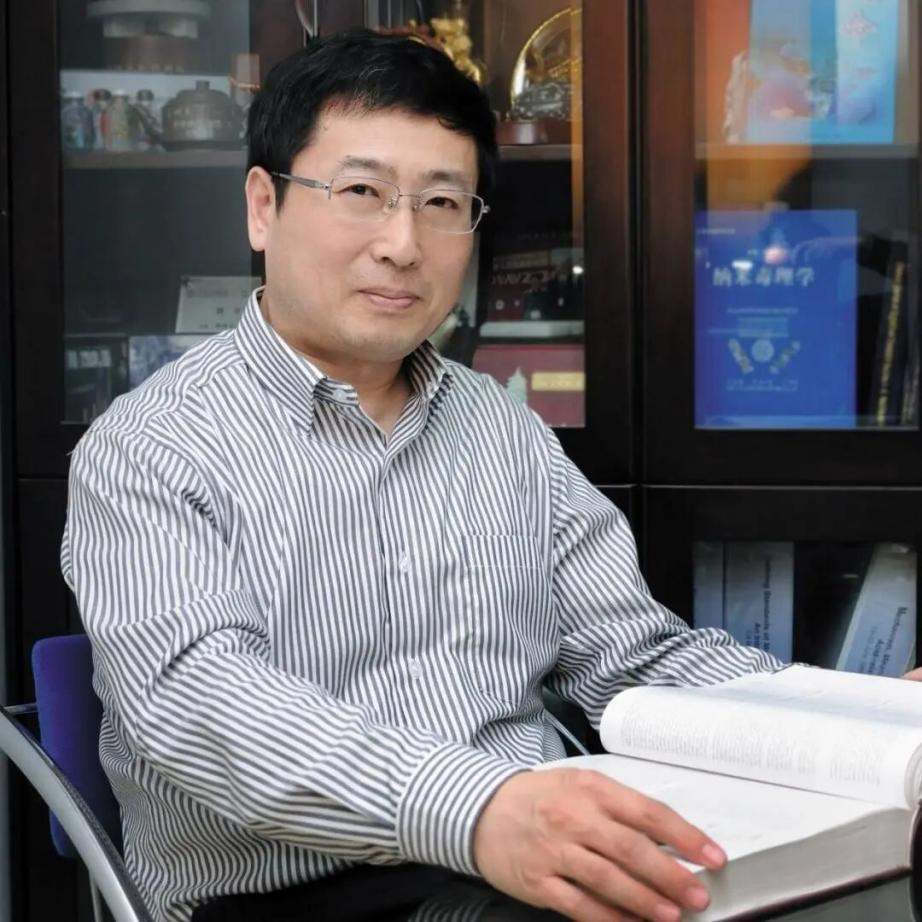
Fang received his Ph.D. in gastroenterology in 1996. Looking back on those years, he feels that receiving guidance from two great masters was one of the greatest fortunes of his life.
“At that time, the Department of Gastroenterology at Renji Hospital brought together many top experts,such as Professors Zeng Minde, Qiu Dekai, Hu Yunbiao, Zhang Dezhong, and Liu Wenzhong. They were among the finest gastroenterologistsnot onlyat Renji and in Shanghai,but across the entire country.”
“At one point, in a well-known national ranking of medical specialties, Renji’s Department of Gastroenterology was ranked only sixth in the country. Today, we have held the top position for five consecutive years. Such remarkable progress would not have been possible without the tireless dedication and lifelong contributions of our predecessors.
“There is a longstanding tradition in Renji’s Department of Gastroenterology. On Qingming Festival and on the anniversary of Prof. Jiang Shaoji’s passing, medical staff and students gather at his statue to pay their respects.”
Fang firmly believes that an outstanding physician must honor the history of their hospital and specialty. History forms the foundation and treasured legacy of adiscipline, carrying the wisdom and experience of generations of predecessors.
Advancing Tradition and Reaching New Heights
“From 1998 to 1999, I had the privilege of serving as a visiting scholar in the Division of Gastroenterology at the University of Connecticut School of Medicine.There, I was exposed to the latest advances in the field and experienced the vibrant academic atmosphere of international medicine. Witnessing the rapid progress of cutting-edge gastroenterology technologies deepened my understanding of digestive diseases and strengthened my confidence in developing new diagnostic and therapeutic approaches. From 1999 to 2001, I conducted post doctoral research for over two years at the National Institutes of Health and the National Cancer Institute (NIH/NCI), where I further explored the relationship between gastrointestinal diseases and cancer. It was during this period that I identified my specific research focus: the epigenetics of gastrointestinal tumors.”
In late autumn 2001, Fang concluded his academic training in the United States. In 2004, he returned to the U.S., spending a year at the University of Michigan to study tumor signaling pathways. This experience further strengthened and systematized his theoretical foundation in molecular biology.
Looking back, Renji Hospital’s gastroenterology programdates back to the 1960s. In 1984, theScience and Technology Commission of Shanghai Municipalityapproved the establishment of the Shanghai Institute of Digestive Disease at Renji Hospital,marking a significant milestone in the hospital's clinical and research development and becoming the first research institute in China dedicated to digestive diseases. By 1989, Renji’s Department of Gastroenterology had become the only national key discipline in the field, designated by the State Education Commission of the PRC (now the Ministry of Education). In 1994, the Ministry of Health formally authorized the creation of the nation’s sole Key Laboratory of Gastroenterology at Renji Hospital, further solidifying its academic leadership in digestive disease research.
Entering the new millennium, Renji Hospital’s Department of Gastroenterology continued to build a series of academic strongholds, including the National Key Discipline (Gastroenterology), the National Key Discipline (Key Laboratory), the Shanghai Clinical Medical Center for Gastroenterology, the Shanghai Major Clinical Medical Center, the Shanghai Clinical Quality Control Center for Gastroenterology, the Shanghai Municipal Government Key Discipline (Advantaged Discipline), and the Shanghai Clinical KeyDiscipline. The department has also been recognized with honors, including the Innovation Research Group by the National Natural Science Foundation of China (NSFC), the Ministry of Education Innovation Team, and the Shanghai Leading Talent Program of the Eastern Talent Plan, further underscoring its prominent position in the medical field.
“In 2005, when we applied for the Shanghai Municipal Government Key Discipline, Professor Xiao Shudong was already over 70 years old, and it was ultimately decided that I would take the lead as director. With strong support from the hospital leadership and the collective efforts of the entire department, we successfully secured the designation.”
For the young Fang, this was both an affirmation of his academic achievements and capabilities by the hospital and the broader gastroenterology community, and a sign that greater responsibilities now rested on his shoulders.
From 2005 onward, under Fang’s leadership, the Department of Gastroenterology achieved a series of significant milestones. By 2008, it had been designated the “Shanghai Clinical Quality Control Center for Gastroenterology.”For Fang,however, the most memorable year was 2010.
“I still remember the end of 2010, when we achieved two breakthroughs in a single day. That morning, our department was named a National KeyDiscipline(Gastroenterology) by the Ministry of Health, earning the highest score nationwide. That afternoon, we secured the National KeyDiscipline(Key Laboratory) project, along with dedicated funding that injected fresh momentum into our development. Soon after, Renji Hospital’s Department of Gastroenterology was designated a ‘Shanghai Major Clinical Medical Center (Category A)’(a distinction shared by only 12 specialties in the city at the time).”
At Renji Hospital, Fang spearheaded numerous “firsts.” A nationally recognized talent, he has earned multiple expert titles and led the hospital’s first Innovation Team accredited by the Ministry of Education, as well as its first Innovation Research Group supported by the NSFC.
In 2024, he was honored as a member of the Academic Advisory Committee of the Chinese Academy of Medical Sciences, and in 2025, he became an academician of the Chinese Academy of Sciences’ Division of Life Sciences and Medicine.
“As one of Renji Hospital’s strongest traditional disciplines, the Department hasrepeatedlysecured more than 18 National Natural Science Foundation grantswithin a single year and has cultivated multiple nationally recognized talents.”
From Prevention to Treatment: Taking on Tumors with Resolve
“From the start, Academician Jiang and Professor Xiao adopted a highly forward-looking strategy by prioritizing the prevention of gastrointestinal tumors. Today, we are uncovering an increasing number of pathological and physiological mechanisms related to these tumors. Studies spanning signaling pathways, epigenetics, and intestinal microecology have all grown out of this foundational focus.”
In the realm of pharmacology, Fang has conducted extensive research on “repurposing existing drugs for new therapeutic applications.”
During his doctoral studies, under the guidance of Academician Jiang and Professor Xiao, Fang explored the use of folic acid to treatcertain instances of atrophic gastritis, aiming to reduce the risk of gastric cancer. His doctoral dissertation was later honored with the First National Excellent Doctoral Dissertation Award.
Subsequent research indicated that folic acid could prevent the initial development of colorectal adenomas, precancerous lesions of colorectal cancer. The findings were published in Cancer Prevention Research, highlighted by the journal’s editor in the New Year’s message, and recognized as one of the year’s most significant achievements.
“Through our research, we have found that many commonly used drugs, such as folic acid, metformin, berberine, statins, and metronidazole, hold significant potential for preventing gastrointestinal tumors. These drugs are relatively low-cost, and many of their mechanisms involve maintaining balance in the gastrointestinal microecology.”
Gastrointestinal microecology refers to the microorganisms and their metabolites within the digestive tractofthe host(including humans and other living beings), including bacteria, fungi, and viruses. It interacts closely with the host and plays a crucial role in overall health, the immune system, metabolism, and even psychological and behavioral functions.
Fang’s team is among the earliest in China to systematically investigate the relationship between gastrointestinal tumors and gastrointestinal microecology, particularly the intestinal microbiota. The link between gut microbiota and gastrointestinal tumors has long been a key focus of the international gastroenterology community.
In 2011, Fang’s research team was among the first in China to demonstrate the critical role of gut microbiota in colorectal cancer development. They found that Fusobacterium nucleatum was highly expressed in patients with colorectal cancer. The study, published in Cell, has become a key reference across multiple research fields, having been cited over 1,500 times to date. The discovery was highlighted in a commentary by a professor at the Massachusetts Institute of Technology (MIT). The professor noted that this was the first study to report an association between gut microbiota, chemotherapy, and colorectal cancer. Elevated microbiota levels could lead to chemotherapy resistance, while depletion might prevent intestinal tumor development. The publication, along with subsequent studies, earned Fang recognition as a highly cited researcher by Elsevier for six consecutive years and by Clarivate for two years, with 21 of his papers classified as highly cited in the Web of Science (WOS).
This research offers crucial insights into the relationship between gut microbiota and intestinal tumors. The abundance of pathogenic bacteria appears closely linked to chemotherapy efficacy, with high levels potentially reducing treatment effectiveness. Modulating the balance of gut microbiota could, therefore, help improve therapeutic outcomes. These findings provide valuable guidance for developing future treatments and preventive strategies, and they are expected to open new directions for both clinical practice and research in intestinal oncology.
In the field of intestinal microecology and colorectal cancer (CRC) research, Fang’s team has made a series of seminal discoveries. They demonstrated that Fusobacterium nucleatum induces autophagy in cancer cells, resulting in chemoresistance and a poor prognosis in CRC patients (Cell, 2017). They also explained that pathogenic gut bacteria, including Fusobacterium nucleatum and enterotoxigenic Bacteroides fragilis, promote CRC development by regulating glucose metabolism and epigenetic modifications (Gut, 2021;Gastroenterology, 2021). Additionally, the team revealed that intestinal bacteria can form an immune–microbial–metabolic axis with the host, influencing the host’s urea cycle metabolic pathways (Cell Metabolism, 2023). They demonstrated that atorvastatin inhibits host tryptophan catabolism, increases the abundance of Lactobacillus reuteri, promotes the production of indole-3-lactic acid, and helps prevent colorectal cancer by targeting RORγt to suppress TH17 cells (Nature Microbiology, 2023). Their research further revealed that Fusobacterium nucleatum secretes the metabolite succinate to activate the tumor cell succinate receptor–HIF-1α–EZH2 axis, thereby inhibiting the cGAS–IFN-β pathway, reducing CD8⁺ T cell chemotaxis and activation, and diminishing the effectiveness of PD-1 monoclonal antibody therapy in colorectal cancer (Cell Host & Microbe, 2023a). They also provided insights into Fusobacterium nucleatum RadD-driven oncogenic mechanisms, suggesting that the RadD–CD147 interaction may serve as a potential therapeutic target for CRC (Nature Microbiology, 2024). Interactions between fungi and bacteria are associated with the efficacy of immunotherapy (Cell Host & Microbe, 2023b; Cell Metabolism, 2024).
Furthermore, the sensitivity of elderly cancer patients to immunotherapy correlates with specific changes in their gut microbiota (Cell Host & Microbe, 2024). Additionally, a multicenter randomized controlled trial (RCT) led by Fang confirmed that berberine can reduce adenoma recurrence and prevent colorectal cancer, with its effectsattributed to the modulation of intestinal microbiology (The Lancet Global Health, 2020). In 2025, Fang was invited by editors to publish two comprehensive reviews in the internationally renowned journals Nature Reviews Clinical Oncology and Nature Reviews Microbiology, analyzing the role of intestinal microecology, including pathogenic bacteria such as Fusobacterium nucleatum, in carcinogenesis, tumor immunotherapy, and treatment-related adverse effects.
In the study of gut microbiota and gastric cancer, Fang’s team was among the first to show that Streptococcus constellatus and Streptococcus anginosus in fecal samples can serve as early indicators of the disease. This discovery was published in the internationally renowned journal Gastroenterologyand secured a national invention patent, which has since been licensed to a company for the development of a screening product.
“We have published many papers, each reflecting years of collective effort. Looking back, the process was truly arduous. Today, our department has more than ten research teams focusing on different areas, and I am confident that even more exciting discoveries lie ahead,” Fang reflected.
He attributes the team’s remarkable achievements to their meticulous approach to research. Each member follows the principle of “making bold hypotheses, verifying carefully, facing challenges as if on the edge of an abyss, and exercising extreme patience,” a mindset that has enabled the team to achieve such outstanding results.
Dedicated to Challenging Cases with Skill and Care
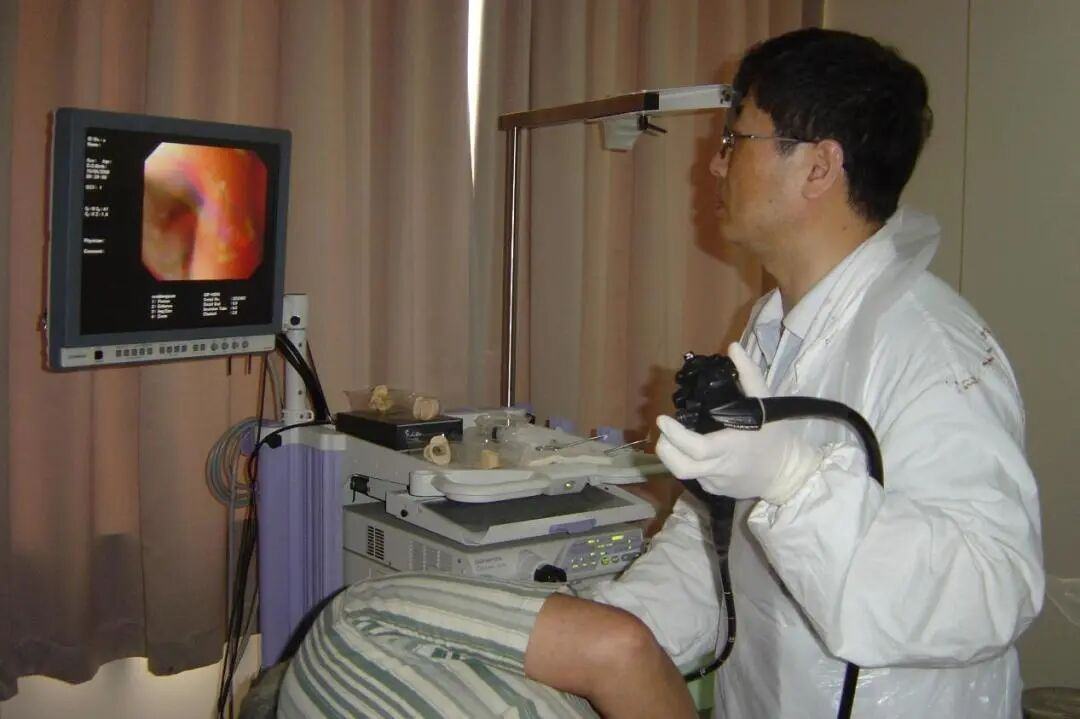
In addition to his demanding research, Fang maintains regular weekly clinical practice. His outpatient clinics, held twice a week, begin at 7:30 a.m. and often run into the afternoon. He also conducts weekly ward rounds and personally performs some endoscopic procedures. On average, four to five half-days each week are dedicated entirely to clinical work.
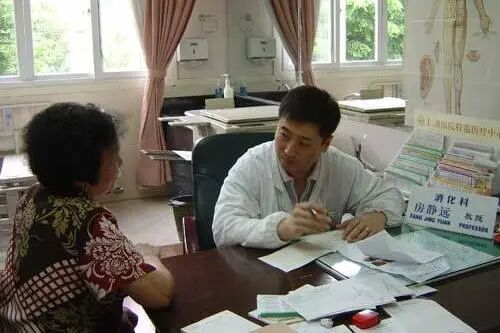
Fang believes that medical work cannot be separated from clinical practice and that his research ultimately aims to benefit patients. From his perspective, the two are complementary rather than contradictory.
When asked about the complex and rare cases he has encountered, Fang recalled them vividly. “I remember a patient from Zhejiang who had long suffered from heartburn, stomach pain, and acid reflux. During an endoscopic examination, I discovered abnormal lesions, which were subsequently biopsied. Pathological analysis confirmed a diagnosis of collagenous gastritis, a rare condition. Faced with this unique case, we administered a carefully controlled course of steroid therapy. Fortunately, the treatment was effective, and his symptoms improved. I knew such treatment was not easy for the patient, and I sincerely hoped he could overcome the disease alongside us.”
“Another patient with familial intestinal polyps came to the clinic. Initially, I suspected Cronkhite–Canada syndrome, an infrequent condition. Through a series of specialized blood tests, we were able to confirm the diagnosis and develop an effective treatment plan. I reassured the patient that he was not alone and that we would stand by his side to face this challenge together.”
Whenever he faces such complex and rare cases, Fang Jingyuan feels the weight of responsibility, sometimes even a sense of helplessness. He reflects that the research conducted by his team is still not comprehensive enough and emphasizes that involving more doctors and patients in disease research is essential. Only then can more patients be spared from suffering.
Chasing Medical Excellence Under the Guidance of Esteemed Mentors
“We have many talented young doctors in our department, each with distinct strengths. I believe it is important to mentor them according to their abilities. Some excel in endoscopic techniques and focus on practical skills, while others are well-rounded, balancing clinical work and research. Some have a strong passion for basic research. With careful guidance, all have the potential to succeed.”
Fang is also mindful of the significant pressures faced by young doctors. He stresses the importance of communication and reflection. By actively thinking, seeking opportunities to engage with the broader medical community, and dedicating focused time to in-depth research, they can advance their professional development while contributing to future medical innovations and breakthroughs.
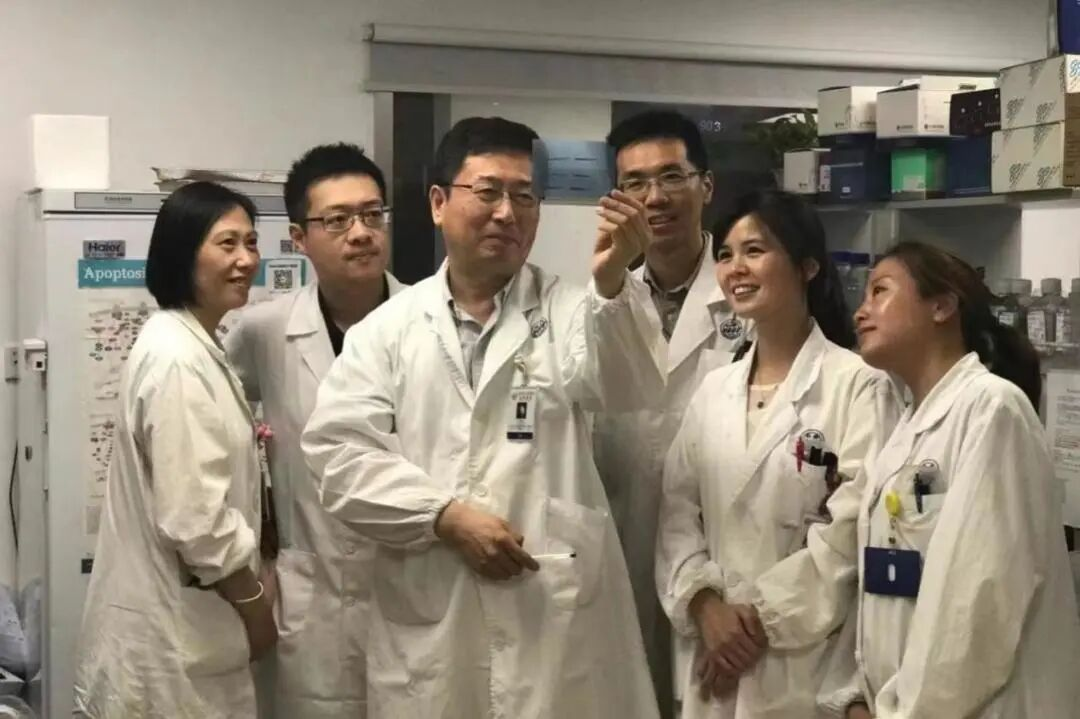
He is full of hope for the future of his discipline. In his view, building a strong specialty requires a tiered system of outstanding talent; without it, sustained development, breakthroughs, and transformative progress are difficult to achieve. He hopes that every young doctor can find a path suited to their own growth and secure a place in the discipline’s development. He encourages them to keep pace with the times, move forward courageously, tackle new challenges, and create more opportunities and breakthroughs.