As midsummer returns, the campus once again echoes with the melodies of farewell. Amid the joy of achievement and the bitter sweetness of farewell, another cohort of students from Shanghai Jiao Tong University School of Medicine (SJTUSM) is about to don their white coats and set off for new horizons. They will grow into stead fast guardians of the people’s health, adding new chapters to the School’s legacy through their extraordinary achievements. Role models are like torches, illuminating the road ahead; their stories, like clear springs, nourish the hearts of those who follow. Beginning today, welaunch the "Graduation Stories" series, revisiting the journeys of outstanding students honored with the title “Power of Role Models.” Their stories reflect long hours of dedication in the laboratory, the courage of a first operation under the shadowless lamp, the compassion conveyed at a patient's bedside, and the sense of duty shown in serving society. May these stories inspire more young people to "serve the country and its people," and may all graduates of the Class of 2026 carry with them this blessing: “May you stay true to your original purpose as you journey toward a bright and boundless future.”
Featured Graduate: Yu Xiaotong
PhD Candidate in Basic Medicine, Class of 2025, School of Basic Medical Sciences
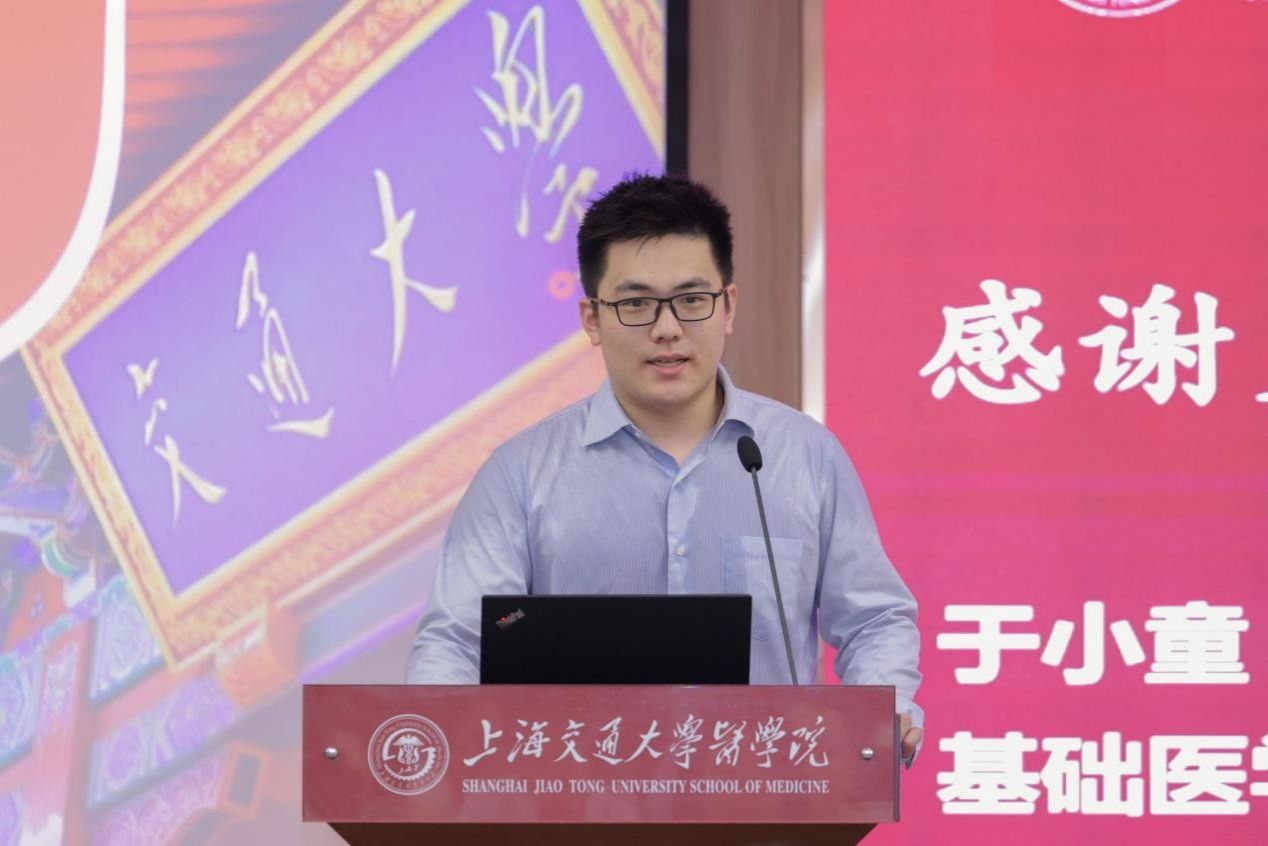
Yu Xiaotong entered SJTUSM in 2021 and transitioned to the PhD program in 2023 under the mentorship of Researcher Svetoslav Chakarov. Looking back on hisyears in research, he describesthe experience as a journey defined by setbacks, persistence, and continual growth.
Experimentation Is Learning Through Failure
His research focuses on the spatial localization of adipose tissue macrophages. At the outset, establishing a reliable tissue-staining protocol alone took nearly three months. Antibody concentrations, antigen retrieval, andblocking conditions—every parameter required repeated optimization. For three consecutive weeks, all the sections heprepared exhibited high background signals, making positive staining impossible to distinguish.
Such setbacks were far from isolated incidents. Single cell sequencing samples had to be prepared and redone five times. During a highfat diet experiment, a batch of mice died unexpectedly midway, forcing the project back to square one. Each reset meantlosing weeks, or even months, of work wiped clean.
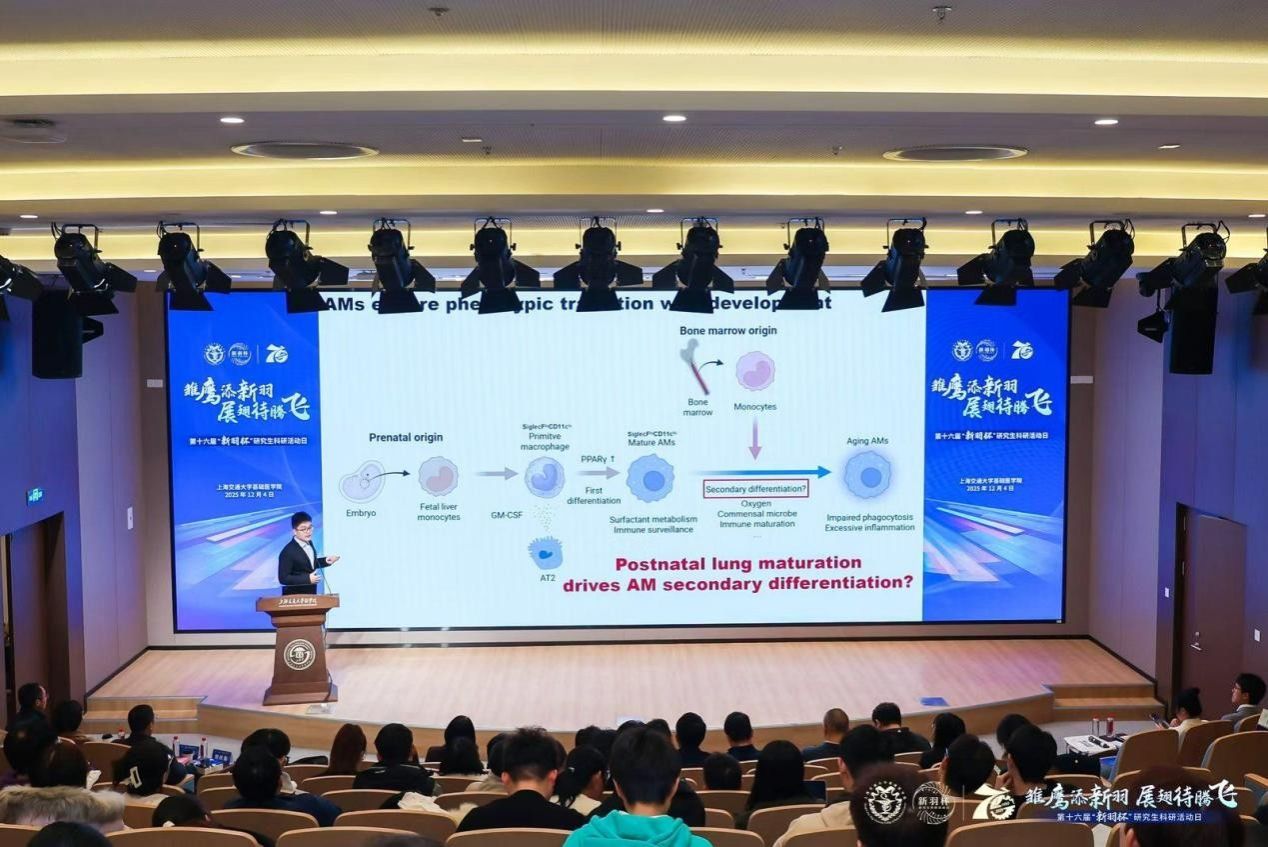
Waiting for the Moment When Things “Click”
His most unforgettable moment came one night past 1 a.m., when he first observed CD209b⁺ macrophages clearly distributed along the septa, right next to CD26⁺ adipose stem cells under the microscope. After repeatedly confirming that the signals were genuine rather than background noise, he photographed the resultsand sentthem to his advisor. The reply came shortly afterward: “This looks promising.” For Yu, that single sentence made everyfailed experiment worthwhile.
The subsequent mechanistic validation took another full year. For more than six months, “positive” results remained elusive. Flow cytometry showed no significant differences, and metabolic cage data appeared frustratingly inconsistent. His advisorgave him a perspective that stayed with him: “Negative results are still results. They tell you where to go next.” Gradually, he learned to see failure as the process of ruling out possibilities.
The turning point arrived with the first batch of metabolic data from Tgfb1 conditional knockout mice. When the knockout group displayed significantly elevated body temperature and markedly enhanced UCP1 staining, he knew he was finally on the right track.
In 2025, his findings were published in Science with Yu as the first author. Many asked him for his "secret" behind his success. His answer is straightforward: There is no secret, only doing it again and again, starting over whenever necessary.
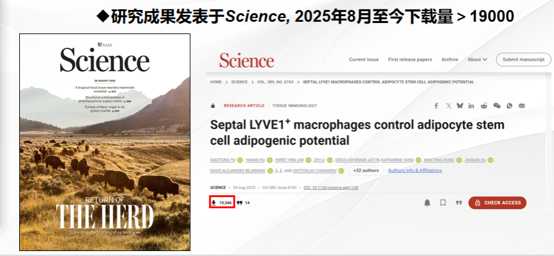
Publication in Science with Over 19,000 Downloads Since August 2025
During his studies, Yu received numerous honors, including the “Academic Star” Award and the National Scholarship.
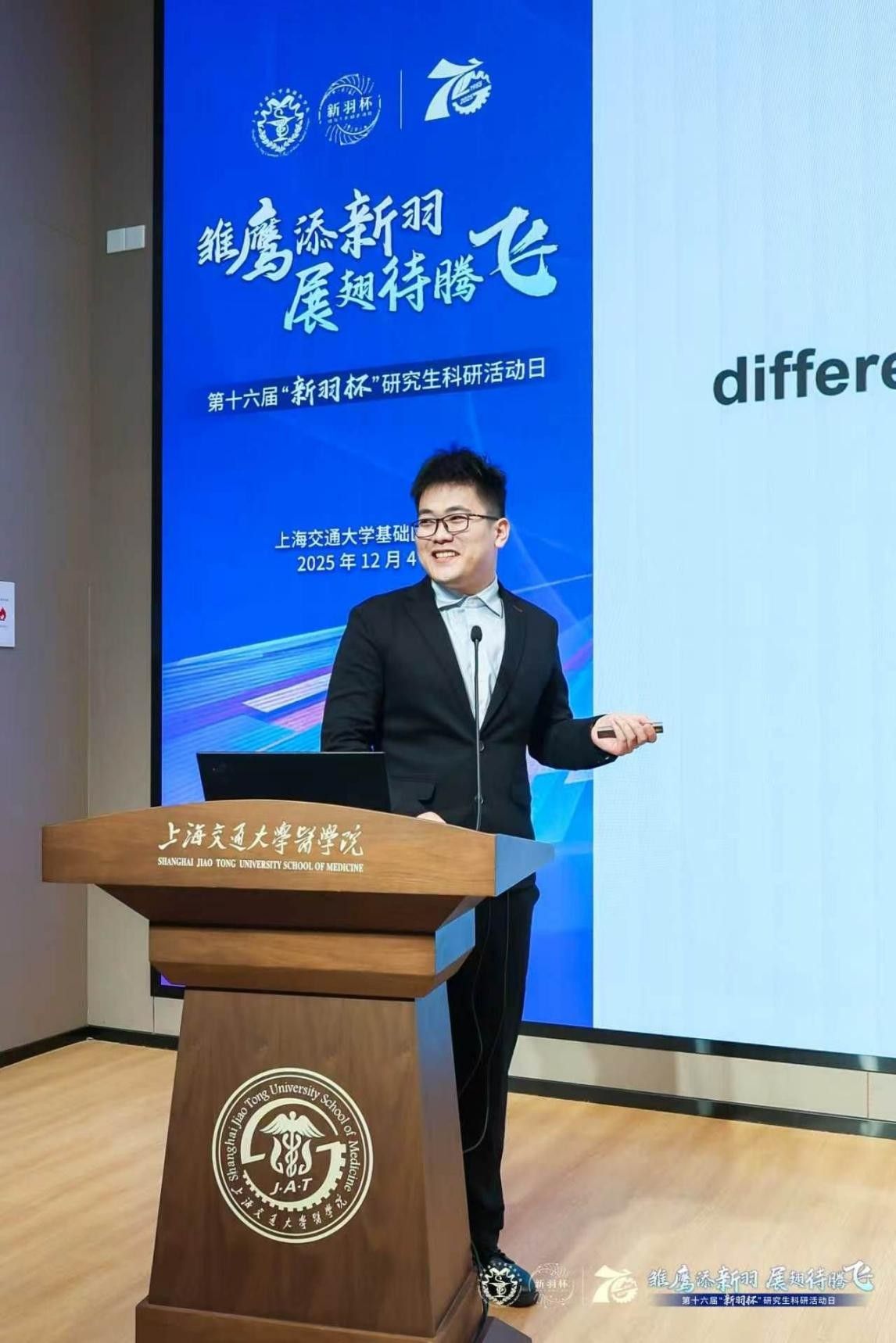
Outside the lab, he enjoys playing table tennis and has won multiple campus singles championships.
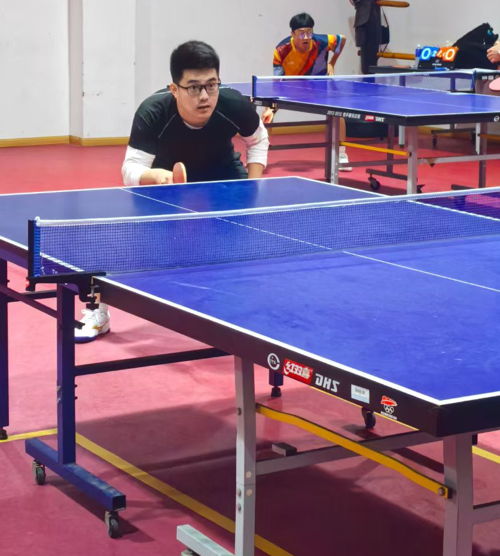
For him, however, a PhD is not a destination—itis only the beginning. He plans to continue pursuing research in immunometabolism. If he were to offer one piece of advice, it would be this: Talent may determine where you start, but perseverance determines how far you go.