姓名:殷堃 研究员/博士生导师
联系方式:
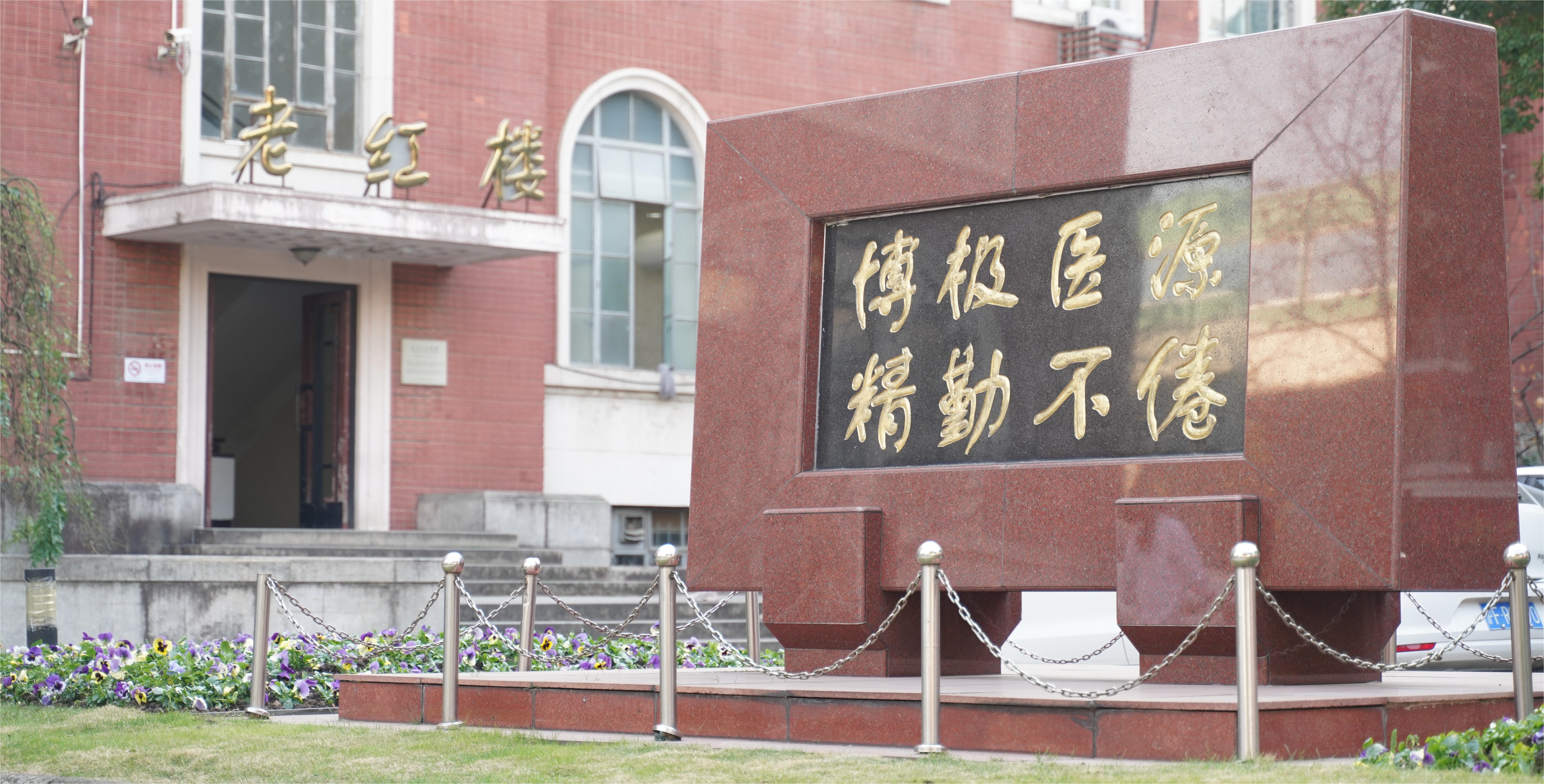
办公室地址:老红楼410办公室
办公室电话:021-63846590*776972
邮箱:kunyin@sjtu.edu.cn
教育经历(从本科开始)
2007年9月至2011年7月,中国农业大学 水产养殖学学士
2011年3月至2016年7月,中国科学院大学 环境工程博士
工作经历
2021年2月至今 上海交通大学医学院,全球健康学院 研究员
2018年10月至2021年1月 美国康涅狄格大学,生物医学工程系 博士后
2017年10月至2018年9月 美国宾夕法尼亚大学,机械工程与应用力学系 博士后
2017年1月至2017年9月 美国俄亥俄州立大学,生物医学工程系 博士后
社会/学术任职和活动
中华预防医学会全球卫生分会委员、中国医学装备协会应急救治装备分会常委、上海市食品协会食品安全分会委员;Science in One Health 副编审;Zoonoses 青年编委;Frontiers in Public Health、Frontiers in Medicine、Biosensors、Sensors客座编辑;ACS Nano、Theranostics、Biosensors and Bioelectronic、ACS Sensors、Sensors and Actuators B: Chemical 等中科院一区期刊审稿人。
科研方向/主要研究内容
1)光学生物传感;
2)微流控器件与便携式检测平台;
3)即时诊断;
4)环境健康与耐药防控。
科研项目
项目编号 |
项目类型 |
项目名称 |
起止年月 |
备注 |
22104090 |
国家自然科学基金 |
基于CRISPR/Cas识别机理的新型冠状病毒多靶位可视化诊断方法研究 |
202201-202412 |
项目负责人 |
22ZR1436200 |
上海市自然科学基金 |
基于全健康的新发突发传染病移动互联快速诊断与监测预警平台 |
202204-202503 |
项目负责人 |
ZDYF2022SHFZ321 |
海南省自然科学基金 |
全健康视角下微塑料污染环境风险预警及对人体危害评估技术的研究 |
202209-202509 |
课题负责人 |
小组成员
胡沁沁、修乐山
英文:
Name:Kun YIN
Degree:Ph.D
Title: Professor
Email Address: kunyin@sjtu.edu.cn
Office Address: Laohong Building 410
Office Tel: 021-63846590*776972
Education:
2007. 09-2011. 07,Chinese Agriculture University, Bachelor, Aquaculture
2011. 03-2016. 07,University of Chinese Academy of Sciences, Ph.D, Environmental Engineering
Appointments:
2021. 02- Now Shanghai Jiao Tong University Medical School,Professor
2018. 10-2021. 01 University of Connecticut,Postdoctoral Researcher
2017. 10-2018. 09 University of Pennsylvania,Postdoctoral Researcher
2017. 01-2017. 09 The Ohio State University,Postdoctoral Researcher
Research Interest:
Dr. Kun Yin’s research focuses on the development of optical biosensors, infectious disease diagnosis, and AMR monitoring, especially at the human-environment interface under the One Health concept: 1) Bridges gaps between different fields and opens new opportunities for the development of novel biosensors with high sensitivity and selectivity, which have outstanding advantages in practical applications. 2) Applies interdisciplinary approaches to develop new tools and methods to solve current life science challenges, such as disease diagnostics, medical therapeutics, and personalized medicine. 3) Explores wastewater surveillance of antimicrobial resistance at the human-animal-environment interface to improve our understanding of the spread of antimicrobial resistance.
 医学院主页
医学院主页