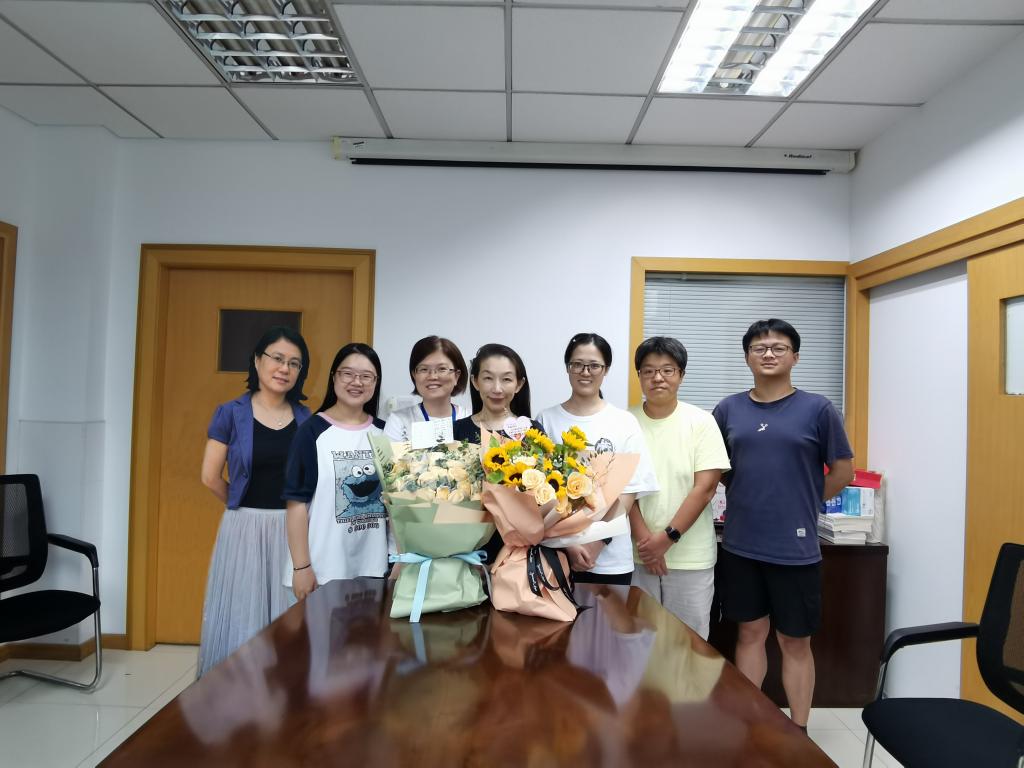


The Zhang Lab (Lab 530)

Lab Leader:Kun Zhang
Lab Name:Laboratory of Pathogenesis of Liver Diseases and Gene Therapy
Lab Info:Our research group is dedicated to basic research and clinical translation in liver diseases. We aim to build a multidimensional research platform based on human liver tissue models, including hepatocyte organoids and humanized liver animal models, to investigate the mechanisms driving the initiation and progression of human liver diseases. Through technological innovation, we focus on developing efficient gene delivery vectors and advanced gene-editing tools for gene correction and target cell engineering. In translational medicine, we integrate multi-omics analyses with high-throughput drug screening to identify novel therapeutic targets with high clinical translational potential. In addition, we are developing organoid-based cell and gene therapy technologies to advance personalized precision medicine. Together, these efforts will provide systematic technical support for mechanistic studies, drug discovery, and clinical translation of liver diseases, laying a strong foundation for future precision medicine applications.
Lab Members:6 Members
| Name | Title | |
| Yan Cheng | Assistant Research Scientist | chengyan318@126.com |
| Yangyang Yuan | Assistant Research Scientist | yuanyangyang@shsmu.edu.cn |
| Shuping Wang | Laboratory Technician | wangshuping1997@163.com |
| Mingcheng Yang | Graduate Student | 727516192@qq.com |
| Rong Ran | Graduate Student | 19959110420@163.com |
| Chenxiao Li | Graduate Student | lcxyoona@163.com |
LabPhoto:
Laboratory for Epigenetic Regulation of Germ Cells and Early Embryos
Lab Leader:Qing Li
Lab Name:Laboratory for Epigenetic Regulation of Germ Cells and Early Embryos
Lab Info:Our laboratory focuses on the molecular regulation of primordial germ cell (PGC) development and early embryogenesis, two tightly coupled processes that underpin reproductive health and the developmental origins of disease. By dissecting the dynamic epigenetic and transcriptional programs governing cell fate decisions during this critical window, our research aims to uncover the genetic basis of infertility, pregnancy failure, and congenital disorders. To address these challenges, we have established a series of innovative developmental genetics platforms, including semi-cloning-mediated in vivo genetic screening, multiplex gene editing in zygotes, and embryonic stem cell-based high-contribution chimera systems. These approaches enable systematic interrogation of multi-gene and multi-locus functions beyond traditional single-gene studies. Using these technologies, we have identified key regulatory mechanisms in germ cell and embryonic development, including the essential roles of DND1 and TRIM37 in PGC development, FXR1-mediated phase separation in spermatogenesis, and DNMT-dependent epigenetic regulation in early embryos and genomic imprinting. In parallel, we have elucidated disease mechanisms such as GJB2-associated hereditary deafness, linking developmental dysregulation to human genetic disorders. Collectively, our work provides both mechanistic insights and potential therapeutic targets for reproductive medicine and developmental diseases.
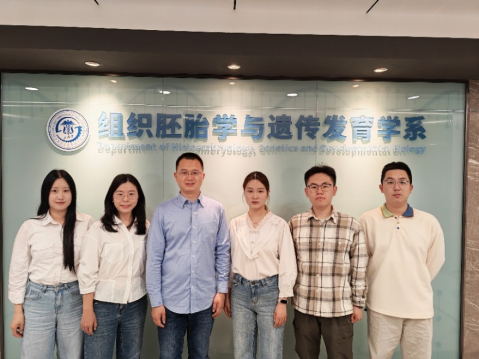
Lab Members:
| Name | Title | |
| Yaowen Chang | Assistant Research Scientist | ywchang@shsmu.edu.cn |
| Chunlu Chen | Postdoctor | chunluchen163@163.com |
| Anjing Guo | Graduate | gaj1801@163.com |
| Zhen Wang | Graduate | wang_zhen@sjtu.edu.cn |
| Xin Wang | Graduate | wangxin3023@163.com |
Laboratory of Oncogenic Mechanisms & Targeted Diagnostics and Therapeutics of Pediatric Solid Tumors
Lab Leader: Yujie Tang
Lab Name: Laboratory of Oncogenic Mechanisms & Targeted Diagnostics and Therapeutics of Pediatric Solid Tumors
Lab Info:Our lab performs basic medical research of pediatric solid tumors, focusing on epigenetic mechanisms of oncogenesis and targeted diagnostic and therapeutic strategies. We are collaborating with clinicians from pediatric solid tumor related clinical departments of many affiliated hospitals, to study various types of pediatric solid tumor including DIPG, medulloblastoma, neuroblastoma, hepatoblastoma, Ewing sarcoma, osteosarcoma, and chondroblastoma. We are building tumor tissue bank and patient-derived primary tumor model bank, performing multi-omics profiling together with functional genomic screening and small molecule screening, to systematically dissect and illustrate novel oncogenic mechanisms and targeted diagnostic and therapeutic strategies. Our research has been published on various prestigious journals including Cancer Cell, PNAS, Cancer Research, Oncogene, Cell Death & Disease and Journal of Experimental & Clinical Cancer Research. We have also obtained many fundings and supports including The Recruitment Program of Global Experts of China (National 1000-Youth Talents Program), The Program for Professor of Special Appointment (Eastern Scholar) at Shanghai Institutions of Higher Learning, Shanghai Rising-Star Program, the general program of National Natural Science Foundation of China.
Lab Members:
Name |
Title |
|
Jialin Mo |
Research Assistant |
mojialin@shsmu.edu.cn |
Lei Zhang |
Research Assistant |
lei.zhang2012@sjtu.edu.cn |
Wenyan Jiang |
Technician |
wenyan903030@126.com |
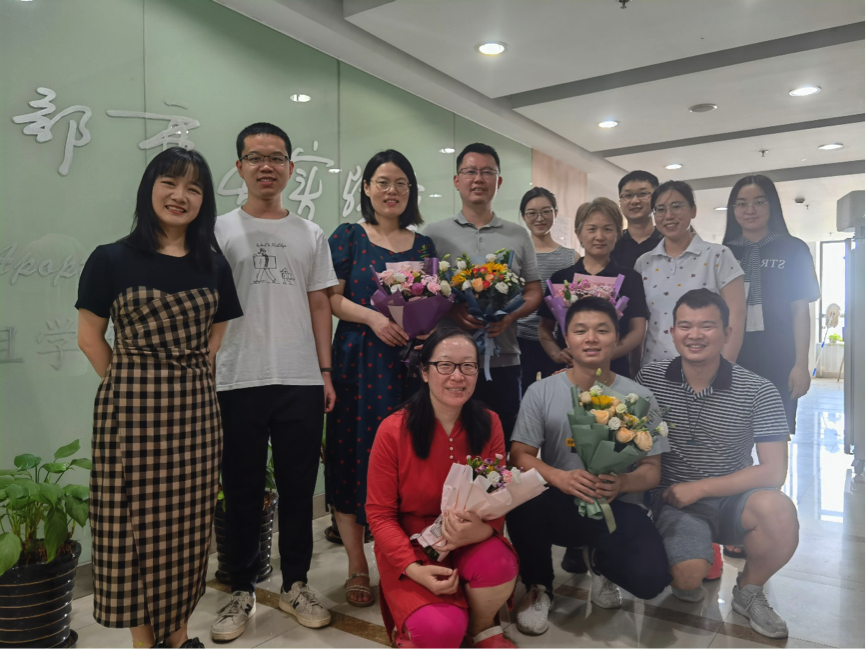
Laboratory of Stem Cell and Regenerative Medicine
Lab Leader:Qiong Wang
Lab Name: Laboratory of Stem Cell and Regenerative Medicine
Lab Info:
Stem cell research not only provides unique insights into fundamental developmental and disease mechanisms, but also lays the foundation for future therapeutic strategies. Elucidating the regulatory networks governing stem cell pluripotency and differentiation is a prerequisite for understanding their physiological roles and pathological mechanisms. Currently, her laboratory employs human and mouse stem cells, organoids as well as animal models to investigate stem cell biology. By integrating functional genomics, epigenetics and bioinformatics approaches, the lab seeks to uncover the regulatory mechanisms that control stem cell differentiation under physiological and pathological conditions, with the goal of accelerating the clinical translation of stem cell-based therapies. Her primary research interests focus on: 1.) Studying the early fate-determination mechanism of embryonic stem cell towards mesendoderm; 2.) Identifying key development regulators of mesendoderm-derived organs and exploring the clinical applications of adult stem cells or progenitors.
Lab Members:
| Name | Title | |
| Zixiang Gao | Assistant Researcher | zixianggao@shsmu.edu.cn |
| Yiwen Li | Assistant Researcher | 184940@shsmu.edu.cn |
| Shoubing Xia | Postdoctoral fellow | |
| Kaihua Xi | Postdoctoral fellow | |
| Mengmeng Liu | Graduate student | |
| Jilong Yang | Graduate student | |
| Ruiqing He | Graduate student | |
| Heng Du | Graduate student | |
| Tong Zhu | Graduate student | |
| Shiyu Zhang | Graduate student |
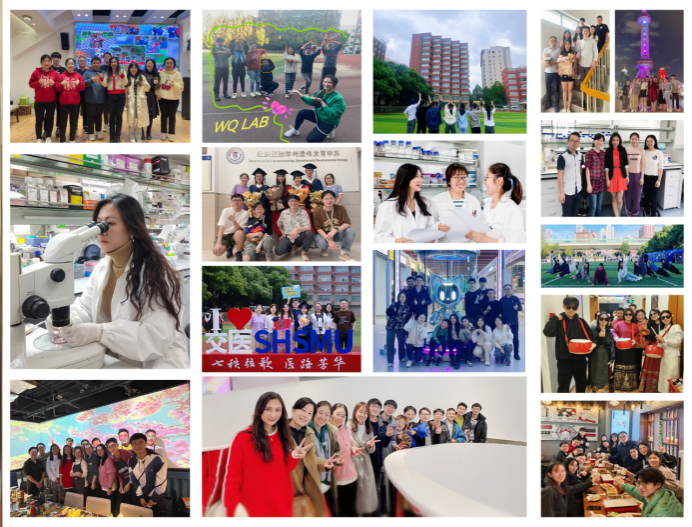
Lab Photo:
Laboratory of Stem Cells & Neuroregeneration
Lab Leader: Mingliang Zhang
Lab Name: Laboratory of Stem Cells & Neuroregeneration
Lab Info:
Restoring brain function after injury and during aging remains a central challenge in neuroscience. Our laboratory focuses on myelin biology as a key driver of neural circuit function and regeneration. We investigate the mechanisms of oligodendrocyte development, myelin formation, and remyelination, and how myelin remodeling supports neuronal integrity and functional recovery. By integrating stem cell biology, chemical biology, and high-throughput screening, we develop small-molecule and genetic strategies to promote endogenous repair. Our goal is to establish myelin regeneration as a therapeutic entry point for improving cognitive function and delaying functional decline in neurological disorders.
We are recruiting research associates and postdoctoral fellows with backgrounds in stem cells, neurobiology, or chemical biology. Please send your CV and publication list to: mingliang.zhang@shsmu.edu.cn.
Lab Members:
| Name | Title | |
| Mingliang Zhang | Professor | mingliang.zhang@shsmu.edu.cn |
| Yixuan Song | Research Assistant | songyixuan@shsmu.edu.cn |
| Chi Zhang | Ph.D student | zhangchi99@sjtu.edu.cn |
| Pingping Li | Ph.D student | pingping-li@sjtu.edu.cn |
| Ke Ye | Ph.D student | yeke5620@sjtu.edu.cn |
| Xingyue Jiang | master student | xinyuejiang@sjtu.edu.cn |
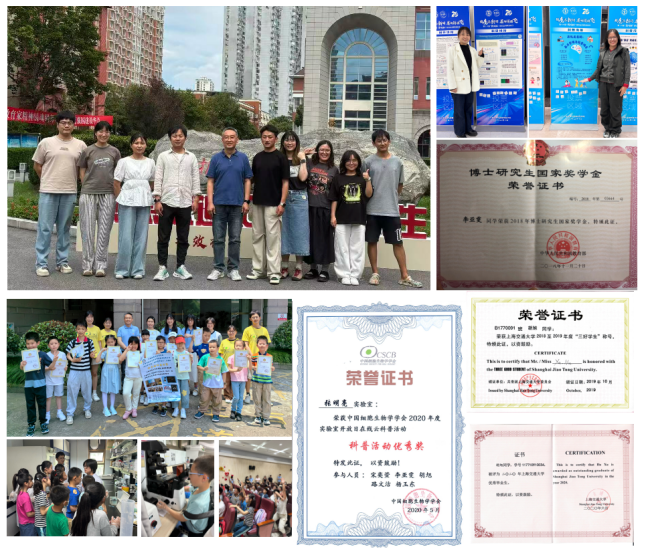
Laboratory of Epigenetic Regulation of Stem Cell Differentiation, Development and Disease
Lab Leader:Lingjie Li Ph.D.
Lab Name:Laboratory of Epigenetic Regulation of Stem Cell Differentiation, Development and Disease
Lab Info:Our lab is interested in understanding the mechanism of cell fate determination. By using multidimensional epigenomic technology in our established stem cell differentiation and development model system, we aim to decipher the regulatory mechanism of lineage commitment, tissues homeostasis, aging,and related diseases in epithelial tissues, especially with the skin as a major focus. On this basis, we devote our effort to developing new stem cell and genomic technologies in skin regenerative medicine and complex disease diagnosis and treatment.
Our current research mainly includes the following aspects: 1. Epigenetic regulation of epithelial tissue development; 2. Regulatory mechanism of early ectodermal differentiation and development; 3. Skin tissue homeostasis,aging and related disease; 4. Stem cell-based skin regenerative medicine.
Lab Members:
| Name | Title | |
| Yang Dong | Assistant Researcher | yang.dong@shsmu.edu.cn |
| XiaoDong Cai | Research Assistant | 514104360@qq.com |
| Mengqi Zhang | Postdoc | zhangmqmaggie16@sjtu.edu.cn |
| Huiyuan Jiao | Ph.D. Student | j1212128@126.com |
| Ziyue Ma | Ph.D. Student | m15139272225@163.com |
| Xiaoyu He | Ph.D. Student | hexy2233@sjtu.edu.cn |
| Qiuhui Zhang | Ph.D. Student | zhangqiuhui@sjtu.edu.cn |
| Yuanchen Liu | Master Student | 125710910039@sjtu.edu.cn |
LabPhoto:
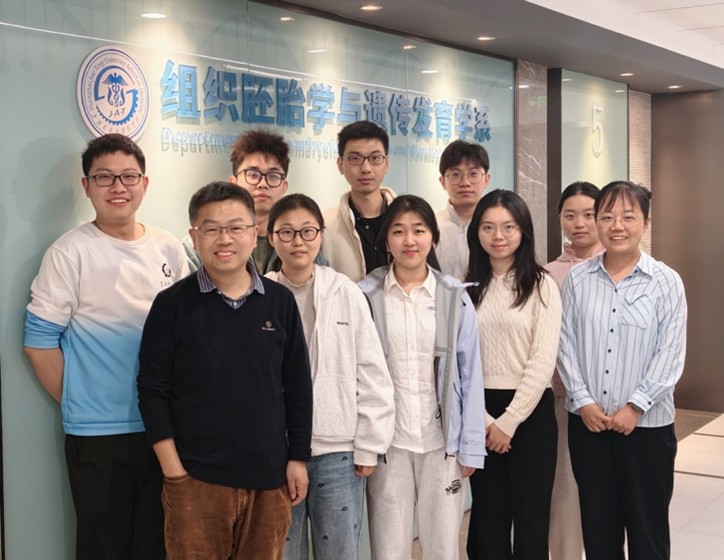
Laboratory of Genes and Signal Pathways Related to Tumor Initiation
Lab Leader: Huang Lei
Lab Name: Laboratory of Genes and Signal Pathways Related to Tumor Initiation
Lab Info:Much of our effort focuses on understanding the mechanism of cancer initiation and uncovering targets for cancer therapy. The goals of our research are: (1) understanding the role of the oncoprotein MUC1 in tumorigenesis and therapy, particularly in breast cancer, lung cancer and esophagus squamous cell carcinoma (ESCC); (2) exploring the mechanism of how MUC1 is activated and degraded; (3) developing MUC1 as a prognostic and predictive marker to guide the application of tumor therapeutic.
Lab Members:
Name |
Title |
|
Yingyin Ni |
lecturer |
niyingyin@126.com |
Xiaodong Liao |
technician |
Liaoxd67@homtamil.com |
Huanyun Deng |
technician |
denghuayun0796@126.com |
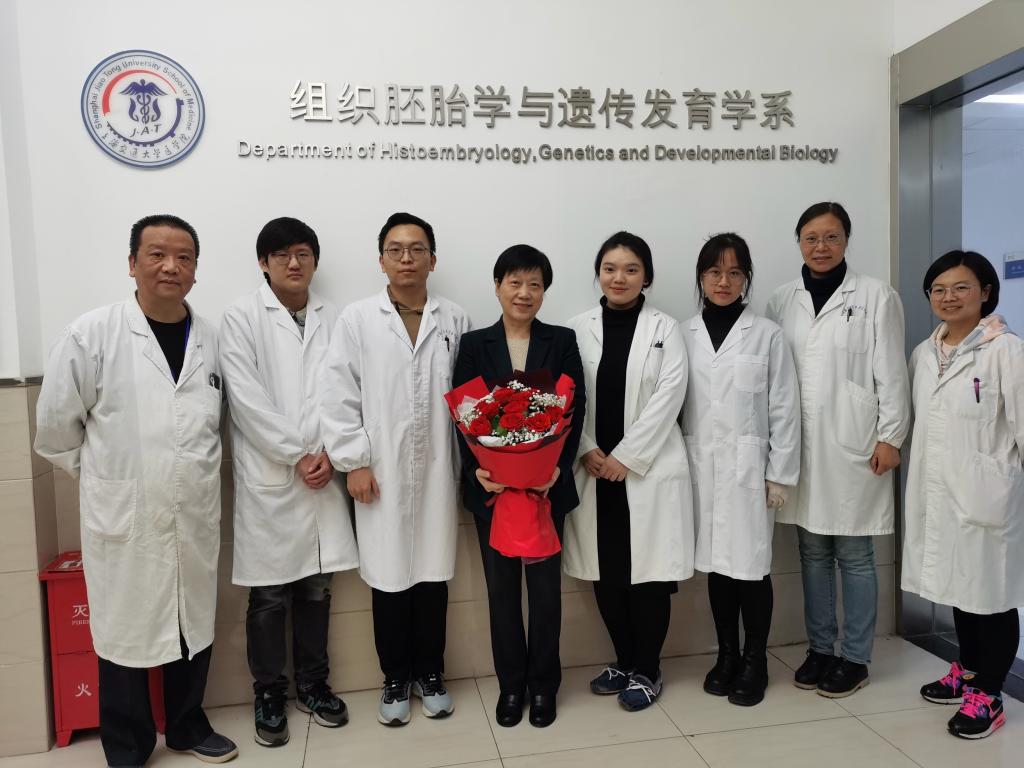
Laboratory of Pluripotent Stem Cell & Developmental Biology
Lab Leader: Ying Jin
Lab Name: Laboratory of Pluripotent Stem Cell & Developmental Biology
Lab Info:Over the years, Jin lab has focused on the self-renewal and differentiation regulatory mechanism of pluripotent stem cells, especially human embryonic stem cells, and is committed to revealing signaling pathways, transcription factors and epigenetic regulatory factors that ensures the infinite self-renewal of embryonic stem cells, aiming to optimize the in vitro culture system of human embryonic stem cells and lay the foundation for obtaining functional cells essential for clinical treatment.
Lab Members:
Name |
Title |
|
Ying Jin |
Principal Investigator |
yjin@ sibs.ac.cn |
Hui Li |
Associate research fellow |
lily-lh@163.com |
Bing Liao |
Associate research fellow |
liaobing@shsmu.edu.cn |
Fan Tang |
Lab master |
ftang@sibs.ac.cn |
Qiong Wu |
Lab master |
wuqmail@163.com |
Laixiang Ge |
Assistant lab master |
lxge@sibs.ac.cn |
Junjie Gu |
Assistant lab master |
Cauli1984@163.com |
Hanzhi Zhao |
Postdoctor |
zhaohanzhi0922@126.com |
Lingling Zhang |
Postdoctor |
zllznj@163.com |
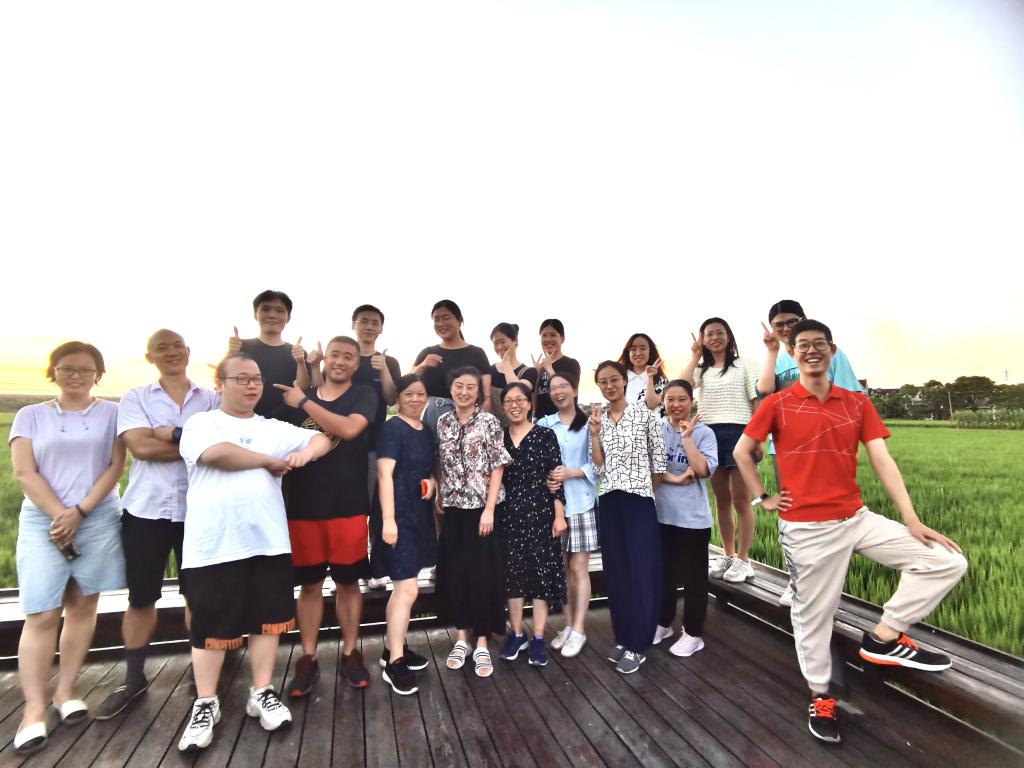
Laboratory of Developmental Biology
Lab Leader: Fanyi Zeng
Lab Name: Laboratory of Developmental Biology
Lab Info:The Laboratory of Developmental Biology (LDB) is under Professor Fanyi Zeng's leadership, and the group's main interests include broad aspects of human genetics and developmental biology, particularly diagnosis and treatment of common genetic diseases, stem cell biology, and research on preimplantation development.
Over the years, the laboratory has received major funding from National Basic Research Program of China (as Chief Scientist), National Natural Science Foundation of China, National Science Fund for Distinguished Young Scholars, National Key R&D Program, and more, totaling more than 30 million RMB.
The LDB currently has four staff members, including two senior and two intermediate staff members, as well as one Ph.D. student.
Lab Members:
Name |
Title |
|
Yan Xue |
Associated researcher |
yolandaxue@163.com |
Yiye Zhou |
Assistant researcher |
zhouyiye@sjtu.edu.cn |
Ji Ma |
maanshan0555@sina.com |
|
Shasha Fan |
Ph.D candidate |
504078421@qq.com |