




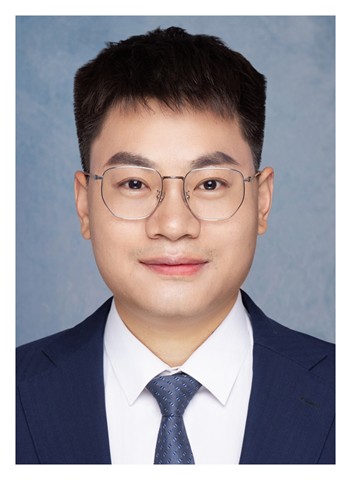
Name: ZHANG Kun
Email: zhang.kun@sjtu.edu.cn
Tel: 021-63846590-776682
Laboratory of Pathogenesis of Liver Diseases and Gene Therapy
Research Field
Our research group focuses on the basic research and clinical translation of liver diseases. At the basic research level, we are establishing a multi-dimensional research system by constructing human liver tissue systems—such as hepatocyte organoids and humanized liver animal models—to elucidate the underlying mechanisms of the pathogenesis and progression of human liver diseases. In terms of technological innovation, the group is dedicated to developing novel, highly efficient gene delivery vectors and gene editing tools for gene correction and the engineering of target cells. At the translational medicine level, leveraging multi-omics integrative analysis and high-throughput drug screening platforms, we are committed to identifying innovative therapeutic targets with high clinical translational potential. Furthermore, through the research and development of organoid-based cell and gene therapy (CGT) technologies, we aim to drive the innovation of personalized precision medicine paradigms. Ultimately, our group will establish a comprehensive, multi-dimensional research platform that provides systematic technological support for mechanistic studies, drug discovery, and the clinical translation of liver diseases, thereby laying a solid theoretical foundation for the realization of precision medicine.
Personal Introduction
Dr. Kun Zhang currently serves as a Principal Investigator (PI) in the Department of Histoembryology, Genetics and Developmental Biology at the School of Medicine, Shanghai Jiao Tong University (SJTU-SM). He received his Ph.D. degree from the School of Medicine, Tongji University in 2019, and subsequently joined the Center for Excellence in Molecular Cell Science, Chinese Academy of Sciences for his postdoctoral research in the same year. In February 2025, Dr. Zhang officially joined SJTU-SM to establish his own research group, where he continues to delve deeply into the field of cell and gene therapies for liver diseases.
His long-standing research commitment lies in elucidating the mechanisms of liver diseases and developing innovative therapeutic strategies, with particularly significant advancements made in the field of cell and gene therapy. As the first author, Dr. Zhang has published multiple research articles in highly regarded peer-reviewed journals, including Cell Stem Cell (2018, 2024) Nature Protocols (2025) and Cell Proliferation (2023). His pioneering research achievements have also yielded several patents, offering new hope and potential avenues for the treatment of liver diseases.
Personal Introduction:
Dr. Kun Zhang currently serves as a Principal Investigator (PI) in the Department of Histoembryology, Genetics and Developmental Biology at the School of Medicine, Shanghai Jiao Tong University (SJTU-SM). He received his Ph.D. degree from the School of Medicine, Tongji University in 2019, and subsequently joined the Center for Excellence in Molecular Cell Science, Chinese Academy of Sciences for his postdoctoral research in the same year. In February 2025, Dr. Zhang officially joined SJTU-SM to establish his own research group, where he continues to delve deeply into the field of cell and gene therapies for liver diseases.
His long-standing research commitment lies in elucidating the mechanisms of liver diseases and developing innovative therapeutic strategies, with particularly significant advancements made in the field of cell and gene therapy. As the first author, Dr. Zhang has published multiple research articles in highly regarded peer-reviewed journals, including Cell Stem Cell (2018, 2024) Nature Protocols (2025) and Cell Proliferation (2023). His pioneering research achievements have also yielded several patents, offering new hope and potential avenues for the treatment of liver diseases.
Publications
Zhang K, Yuan X, Lu S, Shu Y, Wang C, Cen J, Wu B, Hui L. Expansion of human hepatocytes and their application in three-dimensional culture and genetic manipulation. Nat Protoc. 2025 Dec;20(12):3722-3754. doi: 10.1038/s41596-025-01211-2. Epub 2025 Jul 25. PMID: 40715744.
Zhang K, Wan P, Wang L, Wang Z, Tan F, Li J, Ma X, Cen J, Yuan X, Liu Y, Sun Z, Cheng X, Liu Y, Liu X, Hu J, Zhong G, Li D, Xia Q, Hui L. Efficient expansion and CRISPR-Cas9-mediated gene correction of patient-derived hepatocytes for treatment of inherited liver diseases. Cell Stem Cell. 2024 Aug 1;31(8):1187-1202.e8. doi: 10.1016/j.stem.2024.04.022. Epub 2024 May 20. PMID: 38772378.
Yuan X, Wu J, Sun Z, Cen J, Shu Y, Wang C, Li H, Lin D, Zhang K, Wu B, Dhawan A, Zhang L, Hui L. Preclinical efficacy and safety of encapsulated proliferating human hepatocyte organoids in treating liver failure. Cell Stem Cell. 2024 Apr 4;31(4):484-498.e5. doi: 10.1016/j.stem.2024.02.005. Epub 2024 Mar 7. PMID: 38458193.
Zhang K, Wu N, Cen J, Li J, Wang Z, Xia Q, Hui L. Ex vivo factor VIII-modified proliferating human hepatocytes therapy for haemophilia A. Cell Prolif. 2023 May;56(5):e13467. doi: 10.1111/cpr.13467. Epub 2023 May 17. PMID: 37199059; PMCID: PMC10212703.
Zhang K, Zhang L, Liu W, Ma X, Cen J, Sun Z, Wang C, Feng S, Zhang Z, Yue L, Sun L, Zhu Z, Chen X, Feng A, Wu J, Jiang Z, Li P, Cheng X, Gao D, Peng L, Hui L. In Vitro Expansion of Primary Human Hepatocytes with Efficient Liver Repopulation Capacity. Cell Stem Cell. 2018 Dec 6;23(6):806-819.e4. doi: 10.1016/j.stem.2018.10.018. Epub 2018 Nov 8. PMID: 30416071.
Sun Z, Yuan X, Wu J, Wang C, Zhang K, Zhang L, Hui L. Hepatocyte transplantation: The progress and the challenges. Hepatol Commun. 2023 Sep 11;7(10):e0266. doi: 10.1097/HC9.0000000000000266. PMID: 37695736; PMCID: PMC10497249.
Wang C, Zhang L, Sun Z, Yuan X, Wu B, Cen J, Cui L, Zhang K, Li C, Wu J, Shu Y, Sun W, Wang J, Hui L. Dedifferentiation-associated inflammatory factors of long-term expanded human hepatocytes exacerbate their elimination by macrophages during liver engraftment. Hepatology. 2022 Dec;76(6):1690-1705. doi: 10.1002/hep.32436. Epub 2022 Mar 22. PMID: 35229337.
Ji L, Xu J, Liu J, Amjad A, Zhang K, Liu Q, Zhou L, Xiao J, Li X. Mutant p53 promotes tumor cell malignancy by both positive and negative regulation of the transforming growth factor β (TGF-β) pathway. J Biol Chem. 2015 May 1;290(18):11729-40. doi: 10.1074/jbc.M115.639351. Epub 2015 Mar 12. PMID: 25767119; PMCID: PMC4416873.
Xu J, Zhou L, Ji L, Chen F, Fortmann K, Zhang K, Liu Q, Li K, Wang W, Wang H, Xie W, Wang Q, Liu J, Zheng B, Zhang P, Huang S, Shi T, Zhang B, Dang Y, Chen J, O'Malley BW, Moses RE, Wang P, Li L, Xiao J, Hoffmann A, Li X. The REGγ-proteasome forms a regulatory circuit with IκBɛ and NFκB in experimental colitis. Nat Commun. 2016 Feb 22;7:10761. doi: 10.1038/ncomms10761. PMID: 26899380; PMCID: PMC4764899.
Patent
Lijian Hui, Ludi Zhang, Kun Zhang. In vitro expansion and cultivation method of primary human hepatocytes and applications. Chinese Patent No. ZL 2018 1 1156216.1.