




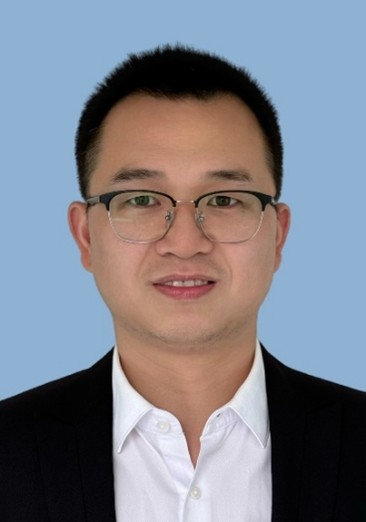
LI Qing
E-mail: liqing@shsmu.edu.cn
Tel: 86-21-63846590-776692
Laboratory for Epigenetic Regulation of Germ Cells, Early Embryos, and Genetic Diseases
Research Field
Our research focuses on the developmental mechanism of primordial germ cell (PGC) and early embryo, a critical window of life characterized by extensive epigenetic reprogramming and dynamic transcriptional regulation. By integrating gene editing, semi-cloning technology, single-cell multi-omics, embryonic stem cells, mouse models, and clinical samples, we aim to address the following key questions:
1) Epigenetic regulation in early embryogenesis: Dissect the individual and cooperative functions of epigenetic regulators and construct regulatory networks governing early development.
2) Genetic determinants of PGC development: Identify novel essential genes and functional nucleotide elements, particularly embryonic lethal factors, and elucidate their regulatory mechanisms and interaction networks.
3) Functional germ cell generation via interspecies chimerism: Develop strategies to generate functional germ cells using xenogeneic chimeras in PGC-deficient models, providing new avenues for infertility treatment.
Personal Introduction
Dr. Qing Li is a Principal Investigator in the Department of Histoembryology, Genetics, and Developmental Biology at the School of Basic Medical Sciences, Shanghai Jiao Tong University. He received his Ph.D. in Science from the Center for Excellence in Molecular Cell Science, Chinese Academy of Sciences, in May 2020. From May 2020 to October 2023, he conducted postdoctoral research at the same institute under the supervision of Prof. Jinsong Li. He was subsequently appointed as an Associate Researcher from November 2023 to April 2025. In May 2025, Dr. Li joined Shanghai Jiao Tong University School of Medicine, where he established his independent research laboratory. His research focuses on utilizing gene editing technologies and sperm-like stem cell-mediated semi-cloning systems to systematically investigate the roles of key functional genes and their loci in germ cell development, early embryogenesis, and related diseases. His work aims to provide potential therapeutic targets and theoretical foundations for the treatment of infertility and pregnancy failure.
Scientific Research Projects
1) Start-up Fund for Introduced Talents, Shanghai Jiao Tong University School of Medicine, May 2025-July 2031
2) General Program, National Natural Science Foundation of China, January 2024- December 2027
3) National Key R&D Program of China (Science and Technology Innovation 2030 Major Project: “Prevention and Treatment of Cancer, Cardiovascular, Cerebrovascular, Respiratory and Metabolic Diseases”), January 2025-December 2028
4) Shanghai Oriental Talent Program (Young Talent Project), Shanghai Municipal Government, 2025
Publications
Cong, J#., Li, Q#,*., Li, Y#., Li, M#., Shi, Y., Hu, P., Yin, X., Zhang, Q., Sheng, J., Li, J., et al. (2025). Intrauterine hyperglycemia impairs mouse primordial germ cell development and fertility by sex-specific epigenetic reprogramming interference. Cell Discov 11, 74. 10.1038/s41421-025-00821-0.
Yin, X#., Yan, M#., Cheng, Y., Li, Z., Cui, C., Wang, Y., Liu, N., Shu, Y., Li, J*. and Li, Q* (2025) Efficient generation of all ESC-derived mice carrying a homozygous lethal mutation through eight-cell embryo injection. Sci China Life Sci, 33(1): 1-4.
Li, Q#., J. Lu#, X. Yin#, Y. Chang#, C. Wang, M#. Yan, L#. Feng, Y. Cheng, Y. Gao, B. Xu, Y. Zhang, Y. Wang, G. Cui, L. Xu, Y. Sun, R. Zeng, Y. Li, N. Jing, G.-L. Xu, L. Wu, F*. Tang*, and J. Li*. (2023). Base editing-mediated one-step inactivation of the Dnmt gene family reveals critical roles of DNA methylation during mouse gastrulation. Nature Communications. 14:2922.
Li, Q#,*., C. Cui#, R. Liao, X. Yin, D. Wang, Y. Cheng, B. Huang, L. Wang, M. Yan, J. Zhou, J. Zhao, W. Tang, Y. Wang, X. Wang, J. Lv, J. Li, H. Li*, and Y. Shu*. 2023. The pathogenesis of common Gjb2 mutations associated with human hereditary deafness in mice. Cellular and Molecular Life Sciences. 80:148.
Li, Q#., Li, Y#., Yang, S., Huang, S., Yan, M., Ding, Y., Tang, W., Lou, X., Yin, Q., Sun, Z., Lu, L., Shi, H., Wang, H., Chen, Y*. and Li, J*. (2018) CRISPR-Cas9-mediated base-editing screening in mice identifies DND1 amino acids that are critical for primordial germ cell development. Nature Cell Biology 20(11), 1315-1325. Highlighted by NCB.
Li, Q#., Li, Y#., Yin, Q#., Huang, S#., Wang, K#., Zhuo, L., Li, W., Chang, B. and Li, J*. (2020) Temporal regulation of prenatal embryonic development by paternal imprinted loci. Sci China Life Sci 63(1), 1-17. Published as a Cover story, highlighted by Sci China Life Sci.
Kang, J. Y#., Wen, Z#., Pan, D#., Zhang, Y#., Li, Q#., Zhong, A#., Yu, X#., Wu, Y. C., Chen, Y., Zhang, X., Kou, P. C., Geng, J., Wang, Y. Y., Hua, M. M., Zong, R., Li, B., Shi, H. J., Li, D., Fu, X. D., Li, J., Nelson, D. L., Guo, X., Zhou, Y., Gou, L. T., Huang, Y*., and Liu, M. F*. (2022) LLPS of FXR1 drives spermiogenesis by activating translation of stored mRNAs. Science 377. Highlighted by Science.
Zhao, T#., Li, Q#., Zhou, C#., Lv, X., Liu, H., Tu, T., Tang, N., Cheng, Y., Liu, X., Liu, C., Zhao, J., Song, Z., Wang, H., Li, J*. and Gu, F*. (2021) Small-molecule compounds boost genome-editing efficiency of cytosine base editor. Nucleic Acids Res 49(15), 8974-8986.
Fu, J#., Li, Q#., Liu, X#., Tu, T#., Lv, X., Yin, X., Lv, J., Song, Z., Qu, J., Zhang, J., Li, J*. and Gu, F*. (2021) Human cell based directed evolution of adenine base editors with improved efficiency. Nature Communications 12(1), 5897.
Gu, W#., Zhang, J#., Li, Q#., Zhang, Y#,*., Lin, X#., Wu, B#., Yin, Q#., Sun, J., Lu, Y., Sun, X., Jia, C., Li, C., Zhang, Y., Wang, M., Yin, X., Wang, S., Xu, J., Wang, R., Zhu, S., Cheng, S., Chen, S., Liu, L., Zhu, L., Yan, C., Yi, C., Li, X., Lian, Q., Lin, G., Ling, Z., Ma, L., Zhou, M., Xiao, K., Wei, H., Hu, R*., Zhou, W*., Ye, L*., Wang, H*., Li, J*., and Sun, B*. (2023) The TRIM37 variants in Mulibrey nanism patients paralyze follicular helper T cell differentiation. Cell Discovery 9, 82.
Liu, Y#., Li, Q#., Yan, T., Chen, H., Wang, J., Wang, Y., Yang, Y., Xiang, L., Chi, Z., Ren, K., Lin, B., Lin, G., Li, J., Liu, Y*., and Gu, F*. (2023) Adenine base editor-mediated splicing remodeling activates noncanonical splice sites. The Journal of Biological Chemistry 299, 105442.
Huang, C#*., Zhu, W#., Li, Q#., Lei, Y#., Chen, X., Liu, S., Chen, D., Zhong, L., Gao, F., Fu, S., He, D., Li, J., and Xu, H*. (2024) Antibody Fc-receptor FcεR1γ stabilizes cell surface receptors in group 3 innate lymphoid cells and promotes anti-infection immunity. Nature Communications 15, 5981
Liu, Y.T#., Li, Q#., Yu, X., Wang#, Z.W*., and Kang, J.Y*. (2026). Systematic discovery of retina-enriched Rik genes identifies 1190005I06Rik as a novel modulator of visual signalling. J Transl Med 24. 10.1186/s12967-026-07769-z.
Huang, C#,*., Li, Q#,*., and Li, J. (2022) Site-specific genome editing in treatment of inherited diseases: possibility, progress, and perspectives. Medical review 2, 471-5001) J
Jiang, D., Jiao, L., Li, Q., Xie, R., Jia, H., Wang, S., Chen, Y., Liu, S., Huang, D., Zheng, J., Song, W., Li, Y., Chen, J., Li, J., Ying, B., and Yu, L. (2024) Neutrophil-derived migrasomes are an essential part of the coagulation system. Nature cell biology 26, 1110-1123