




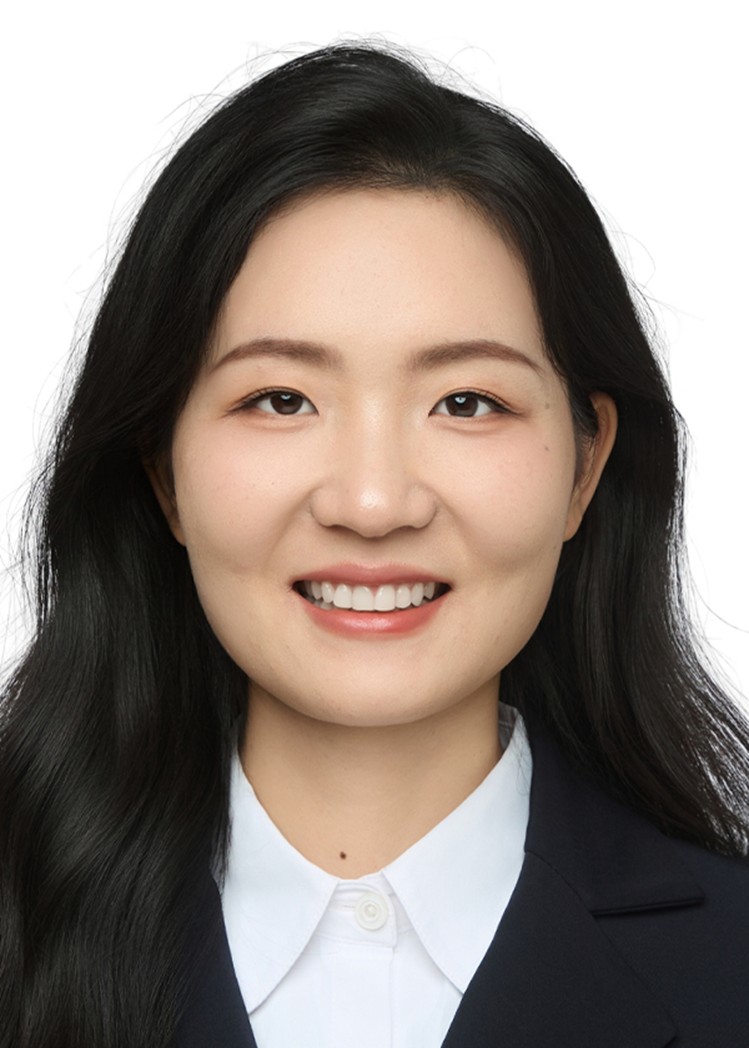
Name: HE Lingli
Email: linglihe@sjtu.edu.cn
Tel: +86-18200260716
Research Field: Metabolic Reprogramming in Cancer and Targeted Therapy
Personal Introduction:
Lingli He, Ph.D. joined Shanghai Jiao Tong University School of Medicine in March 2025 as a Principal Investigator in the Department of Biochemistry and Molecular Cell Biology through an overseas high-level talent program. She obtained her Ph.D. from the Shanghai Institute of Biochemistry and Cell Biology, Chinese Academy of Sciences, and subsequently completed her postdoctoral training at the David Scadden lab, Department of Stem Cell and Regenerative Biology at Harvard University and Massachusetts General Hospital.
Her research focuses on the regulatory mechanisms of tumor metabolic reprogramming, with a particular emphasis on selenium-selenoprotein metabolism. Her laboratory is dedicated to uncovering how metabolic pathways drive tumor progression and therapeutic resistance, while actively pursuing clinical translation through the development of small-molecule inhibitors targeting key metabolic enzymes.
Dr. He has published over articles as first (including co-first) or corresponding author in leading international journals, including Cell Metabolism, Blood, Cell Reports, Cancer Research, and eLife. She is the recipient of multiple research grants, including the National Natural Science Foundation of China (General Program), the Shanghai Municipal Health Commission Clinical Research Program, and the Harvard Translational Research Fund. Her honors include the ISSCR Merit Award and Shanghai High-Level Talent Program. She also serves as a reviewer for international journals such as Nature Chemical Biology.
Publications
He, L.*, Zhao, T.*, Leong, W.Z.*, Sharda, A., Mayerhofer, C., Mei, S., Bonilla, G.M., Menendez-Gonzalez, J.B., Gustafsson, K., and Fukushima, T. (2025). PSTK inhibition activates cGAS-STING, precipitating ferroptotic cell death in leukemic stem cells. Blood 145, 1903-1914.
Zhao, T. *, He, L.*, Wong, L.P., Mei, S., Xia, J., Xu, Y., Van Vranken, J.G., Mazzola, M., Chen, L., Rhee, C., et al. (2025). Derepressing nuclear pyruvate dehydrogenase induces therapeutic cancer cell reprogramming. Cell Metabolism 37, 1667-1681 e1613.
He, L., Yuan, L., Sun, Y., Wang, P., Zhang, H., Feng, X., Wang, Z., Zhang, W., Yang, C., and Zeng, Y.A. (2019). Glucocorticoid receptor signaling activates TEAD4 to promote breast cancer progression. Cancer research 79, 4399-4411.
He, L. *, Yuan, L. *, Yu, W., Sun, Y., Jiang, D., Wang, X., Feng, X., Wang, Z., Xu, J., and Yang, R. (2020). A regulation loop between YAP and NR4A1 balances cell proliferation and apoptosis. Cell reports 33.
Wang, J. *, Liu, C. *, He*, L., Xie, Z., Bai, L., Yu, W., Wang, Z., Lu, Y., Gao, D., and Fu, J. (2022). Selective YAP activation in Procr cells is essential for ovarian stem/progenitor expansion and epithelium repair. Elife 11, e75449.
Wu, M. *, Hu, L. *, He, L. *, Yuan, L., Yang, L., Zhao, B., Zhang, L., and He, X. (2024). The tumor suppressor NF2 modulates TEAD4 stability and activity in Hippo signaling via direct interaction. Journal of Biological Chemistry 300.
Gao, J. *, He, L. *, Shi, Y., Cai, M., Xu, H., Jiang, J., Zhang, L., and Wang, H. (2017). Cell contact and pressure control of YAP localization and clustering revealed by super-resolution imaging. Nanoscale 9, 16993-17003.
He, L., Yu, W., Lu, Y., Zhang, W., Xu, J., and Zhang, L. (2021). A protocol for in vivo analysis of liver tumorigenesis in mice using sleeping beauty transposon system. STAR protocols 2, 100445.
He, L., Yu, W., Zhang, W., and Zhang, L. (2021). An optimized two-step chromatin immunoprecipitation protocol to quantify the associations of two separate proteins and their common target DNA. STAR protocols 2, 100504.
Fan, X. *, He, L. *, Meng, Y., Li, G., Li, L., and Meng, Y. (2015). α‑MMC and MAP30, two ribosome‑inactivating proteins extracted from Momordica charantia, induce cell cycle arrest and apoptosis in A549 human lung carcinoma cells. Molecular medicine reports 11, 3553-3558.