




From 27 to 30 July 2026, the Food and Agriculture Organization of the United Nations (FAO), together with partner institutions, hosted the One Health in Agrifood Systems Forum in Sanya, Hainan. Bringing together experts, scholars and young representatives from multiple countries, the forum serves as a key international platform for One Health exchange. Faculty and students from the School of Public Health and the School of Global Health, Shanghai Jiao Tong University School of Medicine, were invited to attend.
At the forum’s highlight event — the Youth Simulation FAO Session: Designing the Future of One Health — the team delivered a special presentation on the innovative One Health Cities initiative and won high acclaim from international experts. The School of Public Health focused on urban public health assessment and health governance, while the School of Global Health elaborated on the One Health framework and implementation pathways. Working jointly, the team integrated research innovation with practical education, demonstrating solid academic competence and commitment to international public health cooperation.
Opening a Cross-Disciplinary "Common Language" in the One Health International Dialogue
During the forum, the team actively engaged in academic exchanges and shared cutting-edge practices of One Health cities. Their work was recognized by Academician Yvon Le Maho of the French Academy of Sciences. Students held follow-up discussions with the academician, broadening their global health horizons through high-level international interactions.
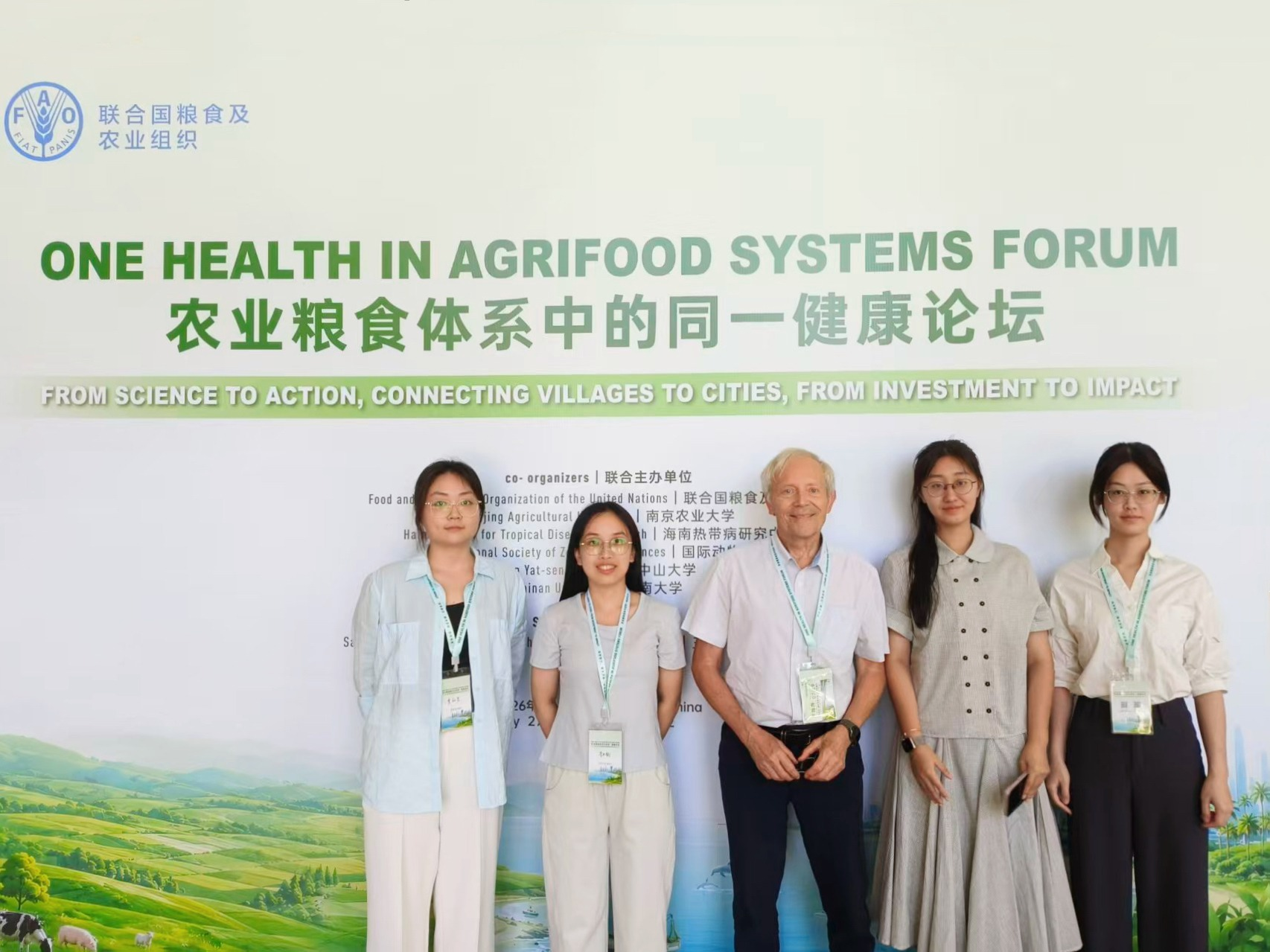
Fig. 1. Group photo of the participating students with Yvon Le Maho, member of the French Academy of Sciences.
The FAO Simulation Session Takes on the One Health City Challenge
On the afternoon of 29 July, the Youth Simulation FAO Session was held at the FAO Hainan Project Cooperation Office. Different from conventional academic presentations, this activity simulated the deliberation mechanism of international organizations, requiring youth teams to submit proposals and respond to reviews, translating One Health concepts into actionable urban development plans.
The review panel included FAO senior officials: Thanawat Tiensin, FAO Assistant Director-General and Chief Veterinary Officer; Song Junxia, FAO Deputy Chief Veterinary Officer; and FAO specialists Orr Rozov, Susanne Waelen and Zelalem Tadesse.
Guided by faculty advisors, the team gave a full English presentation under the theme “One City, One Health, One Future”. It outlined the vision of One Health city development, explored how cities can balance health, resilience and sustainable development, and shared phased research results on One Health city assessment and systematic governance.
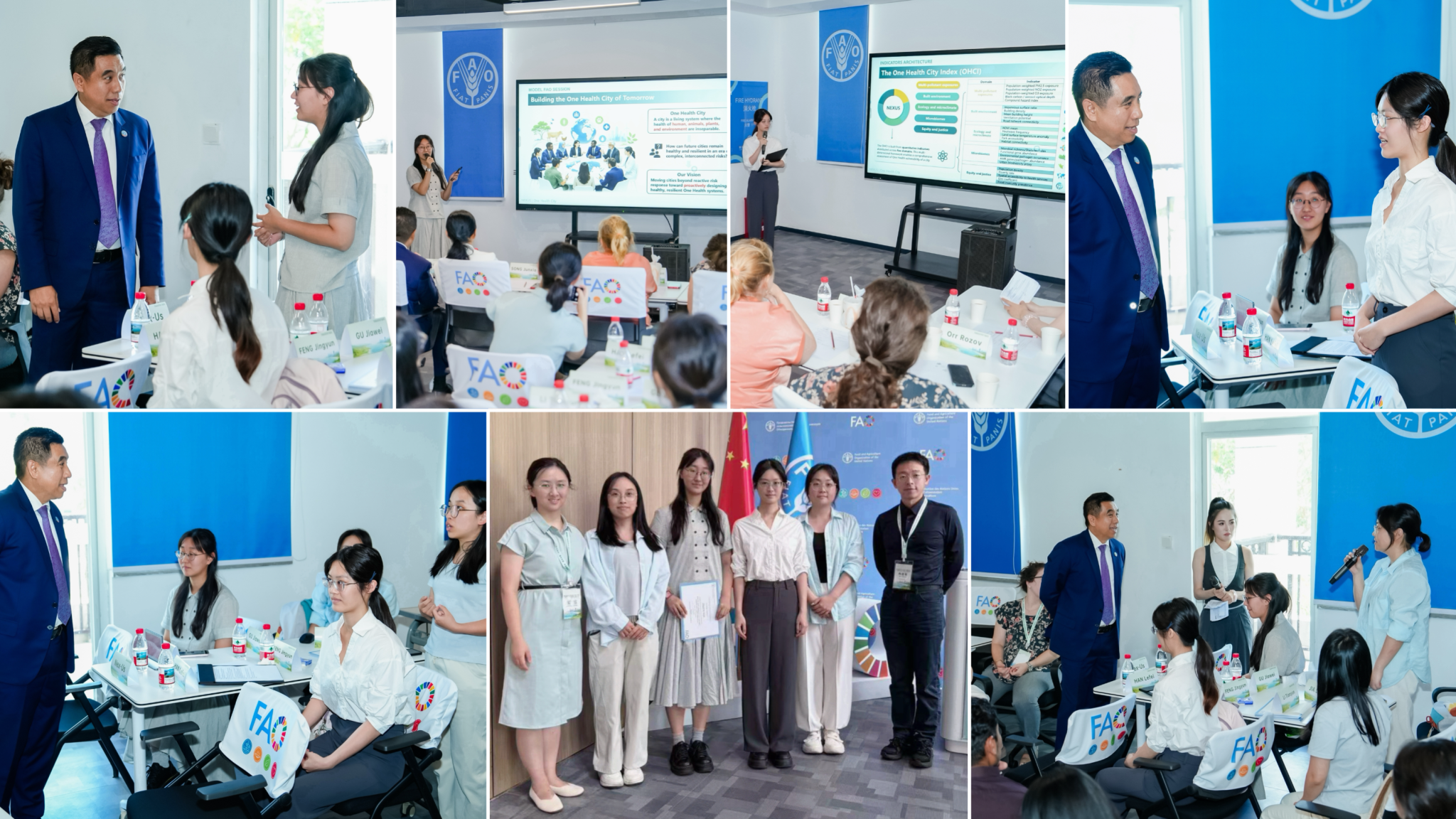
Fig. 2. The team presenting and exchanging views at the "Youth Simulation FAO Session: Designing the Future of One Health."
The presentation highlighted the interdisciplinary strengths of the two schools, converting One Health theories into practical urban governance tools. Aligned with the UN 2030 Agenda for Sustainable Development and the New Urban Agenda, the well-structured report showcased the team’s professionalism and global governance
FAO Reviewers Witness the One Health City Youth Initiative Move Toward Action
After the session, FAO reviewers awarded certificates to the participating teams. Thanawat Tiensin encouraged young researchers to break disciplinary boundaries and put One Health city concepts into real-world practice.
This event enabled faculty and students to communicate directly with international experts and deepen their understanding of global health governance. It expanded their interdisciplinary vision and accumulated hands-on experience in international collaboration, laying a solid foundation for further One Health city research. Meanwhile, it explored new paths to strengthen the Big Public Health discipline cluster and advance international practical education at Shanghai Jiao Tong University School of Medicine.
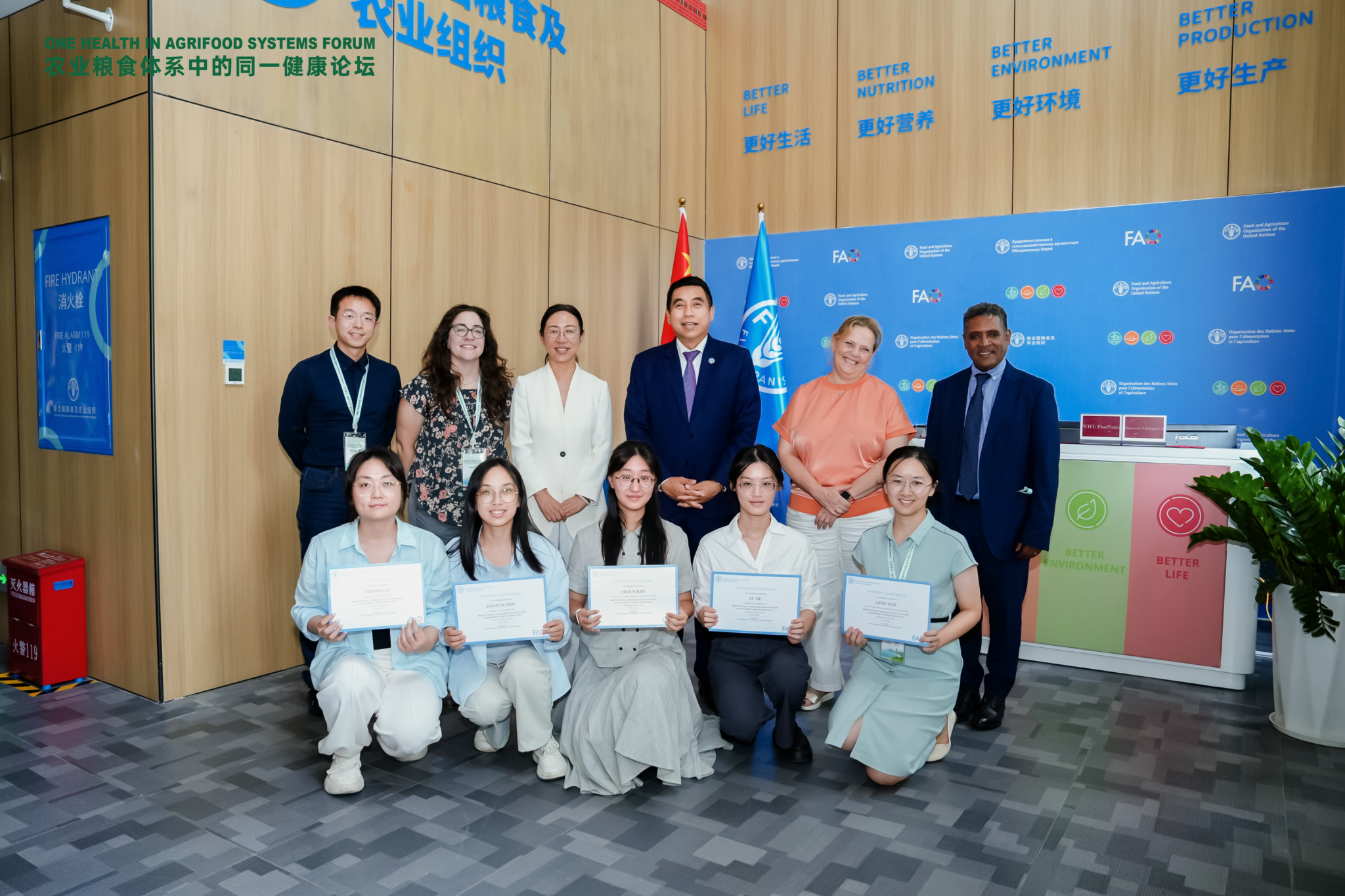
Figure 3. A group photo of FAO reviewers with the award-winning team.
The participation in the Sanya One Health in Agrifood Systems Forum embodies the efforts of SJTU Medicine public health faculty and students to serve national strategies and participate in global governance. On this international platform, they exchanged ideas with global scholars and presented their research and practices of One Health cities. Their work echoes the Healthy China 2030 Plan Outline’s requirement for active engagement in global health governance, and fulfills the tasks of the 15th Five-Year Plan for National Health to cultivate professionals and participate in the formulation of international health rules.
Moving forward, Shanghai Jiao Tong University School of Medicine will continue to develop its Big Public Health discipline cluster, strengthen interdisciplinary integration and international collaboration, and promote synergies between scientific innovation and talent training. The school will nurture public health talents with global vision and practical capabilities, contributing SJTU Medicine’s wisdom and strength to building a global community of health for all.