




To broaden students' international perspectives, enhance their cross-cultural communication skills, and deepen their understanding of public health and preventive medicine, five undergraduates from the School of Public Health completed the three-week International Summer program in Medicine in summer 2026, building on the long-standing partnership between Shanghai Jiao Tong University School of Medicine and the University of Manchester. With a curriculum focused on public health coursework, the program gave students an in-depth look at global public health systems and cross-cultural practice.
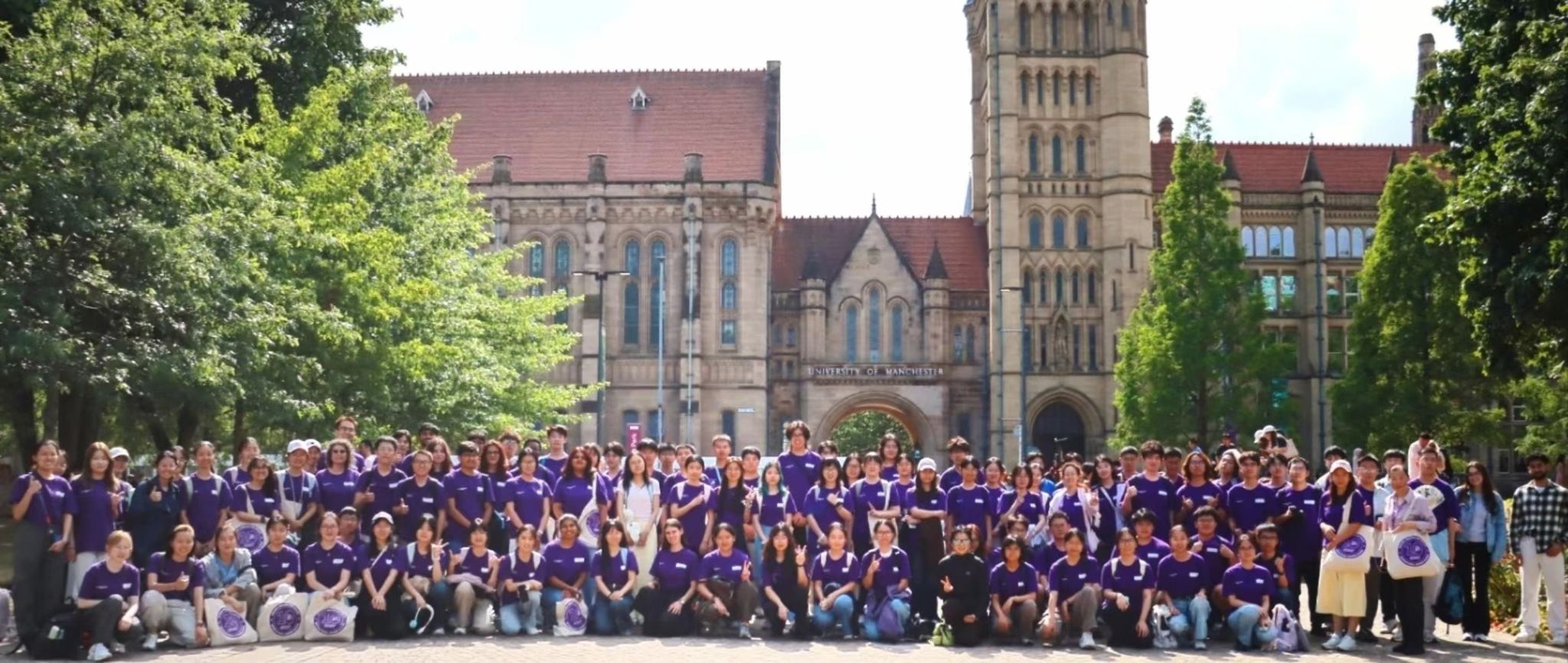
Meeting a World-Class University: Anchoring Medical Growth at a Global Benchmark
Founded in 1824, the University of Manchester is a core member of the Russell Group, ranked 35th in the 2026 QS World University Rankings, and has produced 25 Nobel laureates. In 2026, the university celebrated the tenth anniversary of its International Summer Program in Medicine. At this century-old institution, the public health students completed a well-rounded professional development experience structured around four dimensions — culture, equity, policy and communication — and located their own positions and future directions within the coordinates of a world-class medical education.
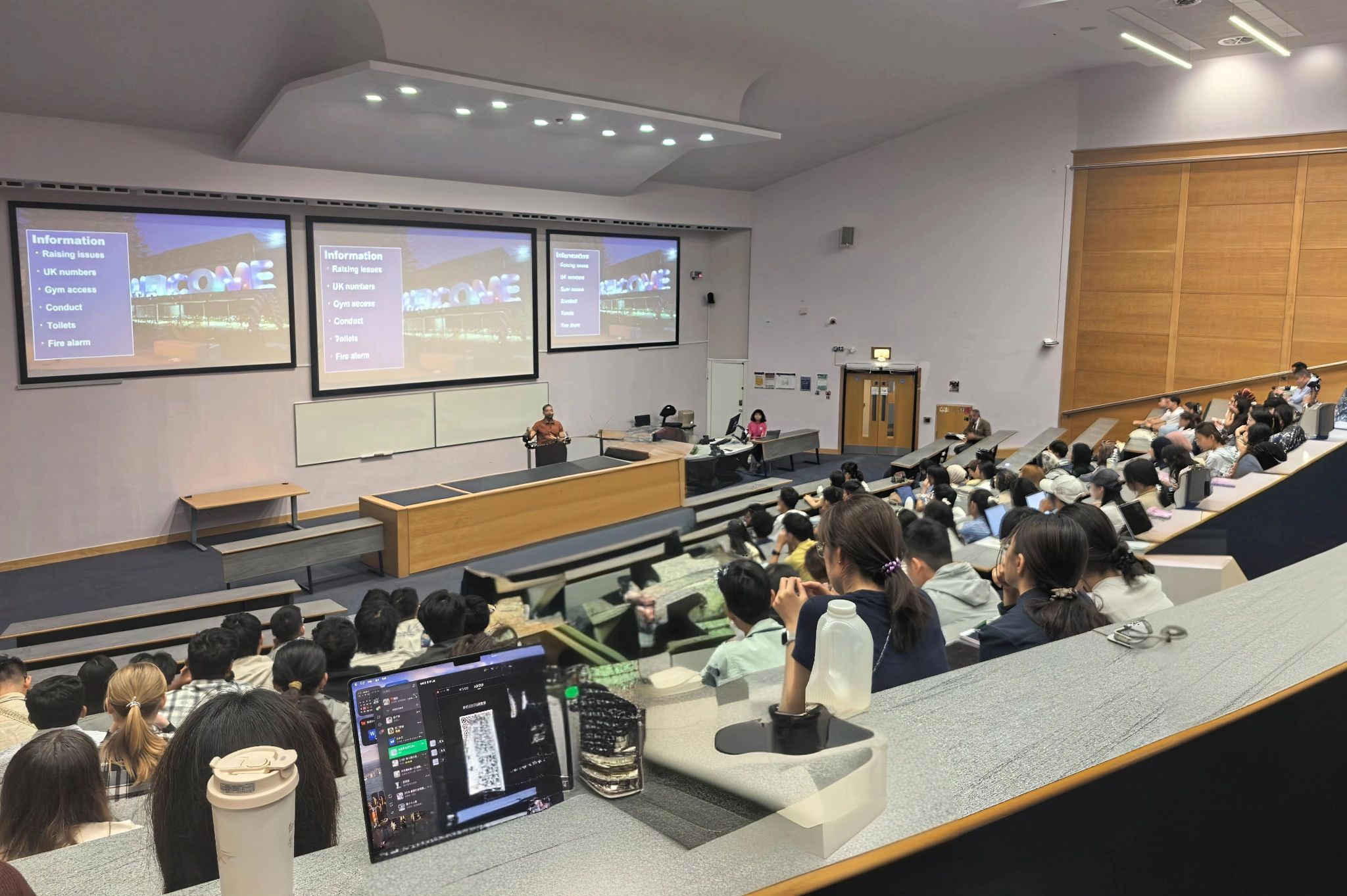
Epidemiological Study Design
The course systematically taught the design principles and appropriate applications of cohort studies and case-control studies. Using real cases such as firefighters and PFAS, and pancreatic cancer, as entry points, it offered an in-depth analysis of the real-world trade-offs between study timeliness, cost, implementation feasibility and scientific rigor in researching diseases with low incidence and long latency. The course emphasized that the measurability of exposure indicators, the identification and control of complex confounders, and the feasibility of cohort follow-up are all key determinants of research success, and that every study design carries unavoidable risks of bias. It impressed upon the students that an excellent epidemiological study requires not only rigorous methodology but also deep insight into the setting in which the research is conducted.
Climate Change and Health
Backed by extensive data, the course transformed the climate crisis from a vague perception into clear awareness: 2024 was one of the hottest years on record, with global average temperatures 1.48°C above pre-industrial levels, and developing countries bore roughly 70% of global climate disaster losses. On the health dimension, the course noted that more than five million dengue fever cases were reported globally in 2025, with extreme heat, wildfire smoke and drought triggering cascading health crises. It also guided students beyond binary thinking, helped them recognize the limits of individual action, challenged the misconception that "locally produced food is necessarily low-carbon," and argued that climate anxiety should not be pathologized but rather channeled into momentum for policy change. These insights gave the students a deeper understanding of climate justice.
Global Women's Health
While exploring reproductive health and gynecological diseases, the course systematically analyzed how women's health is shaped by the interplay of biological, social, economic, policy and institutional factors. It highlighted the core argument that "equality is not the same as equity" — only by fully considering the actual circumstances and needs of different groups can everyone truly enjoy equal opportunities. The instructor vividly illustrated the importance of preventive healthcare with the analogy that "it is better to stop people falling into the river upstream than to keep rescuing them downstream," and emphasized the significance of health education, disease screening and women's empowerment. These lessons led the students to examine public health issues from a more comprehensive, critical and inclusive perspective.
Health Communication
The course explored how commerce, media and science communication jointly shape public health. Through multiple real-world cases, it analyzed how social media, advertising and news reporting influence public health behaviors, and introduced ways to transform complex research findings into information the public can understand. The course emphasized in particular that when different media report the same health event in different ways, public understanding and behavior can diverge dramatically. It pointed out that health information is not simply "released and done" — communicators must also take into account the target audience, the mode of communication and the socio-cultural context. These lessons gave the students a renewed appreciation of the core value of communication in public health: for research to create social value, effective science communication is essential.
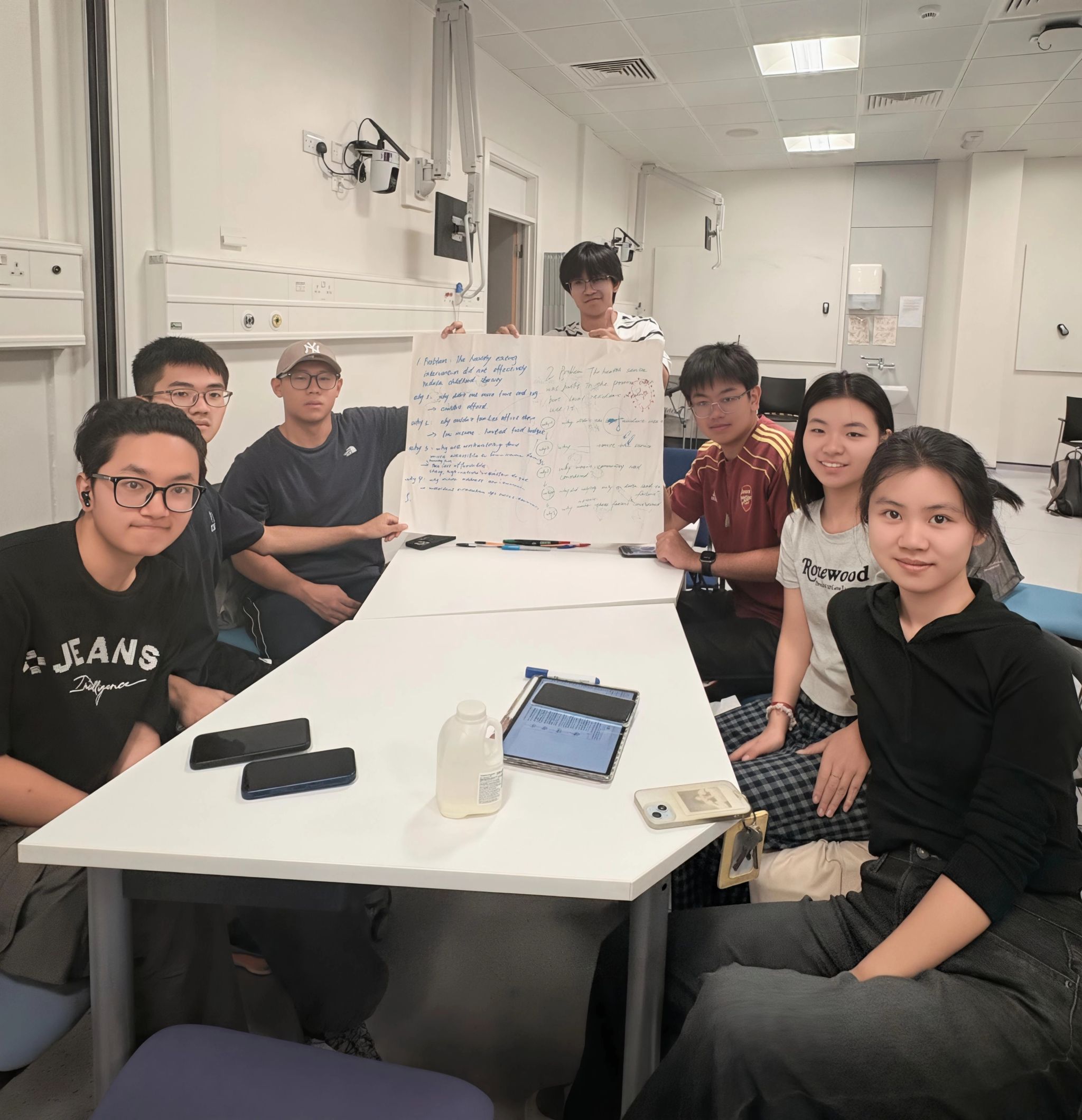
Practice: From Theory to Action, Learning in Application
The three weeks were not merely an accumulation of knowledge but a sharpening of capabilities. Fun quizzes on health equity, health communication campaign planning, sustainable development project design — through such activities, the students translated abstract public health theory into actionable solutions, gaining valuable methodologies and a global perspective for their future participation in grassroots health services.
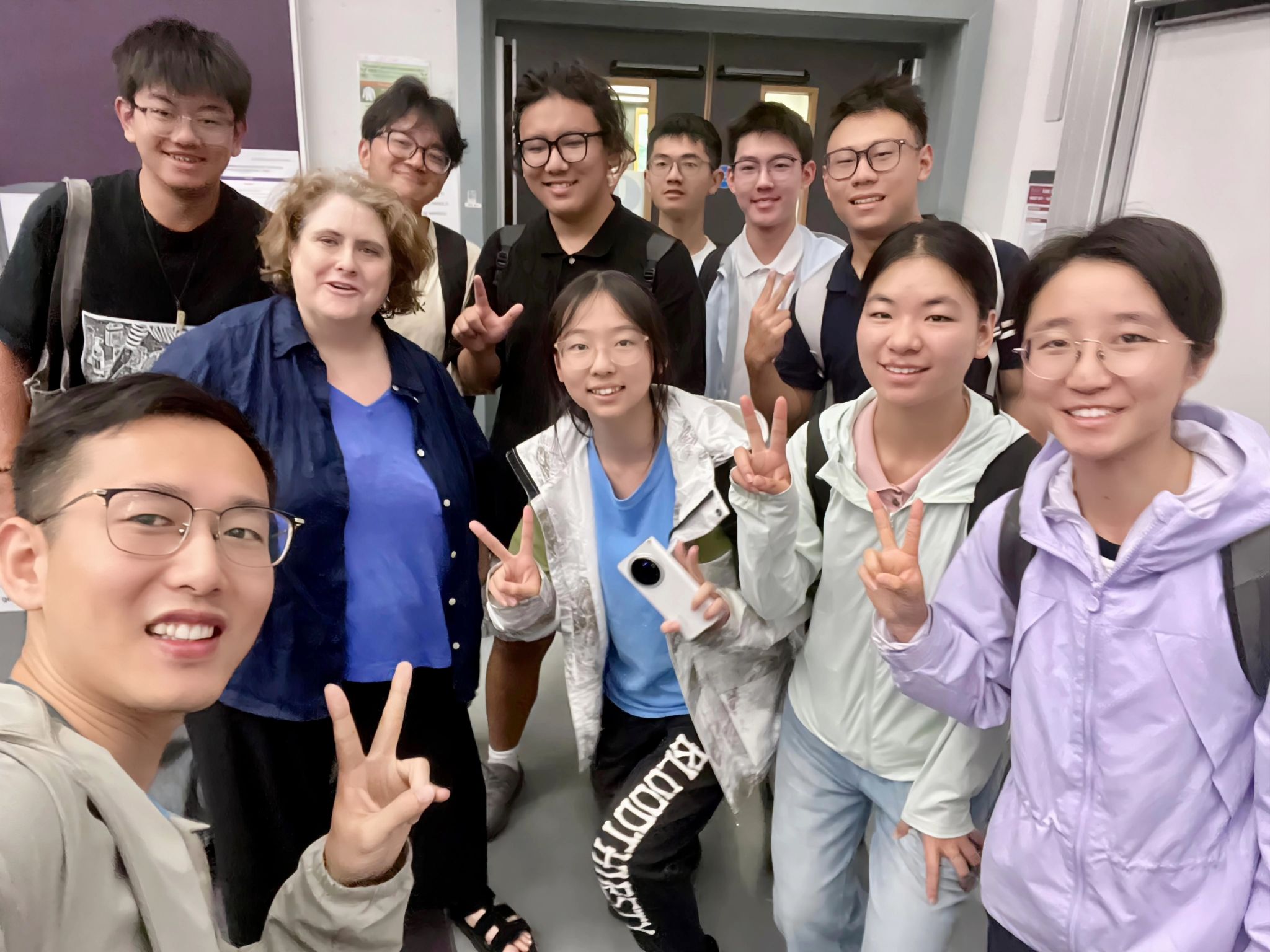
This trip to Manchester was a journey of professional grounding, broader horizons and skill-building. The School of Public Health will continue to advance the cultivation of internationally minded talent, empowering students to perform the responsibility and commitment of public health professionals on the world stage.