




On May 16, 2026, the Shanghai Overseas-Returned Scholars Backbone Theoretical Training Program visit and exchange event was held at Shanghai Jiao Tong University School of Medicine. Initiated by Dr. Zhang Siyang, President of Shanghai Mingliu Health Examination Center, overseas-returned talents from fields including medical industry, financial investment, business consulting, semiconductors, cultural media, and foreign-related legal affairs engaged in in-depth exchanges with the "Flexible Sensing and Proactive Health" research team led by Dr. Ye Cui from the School of Public Health, Shanghai Jiao Tong University. The participants discussed cutting-edge topics such as technological achievement transformation, med-engineering interdisciplinary innovation, flexible sensing technology, proactive health management, and 3D intelligent printing industrialization, jointly exploring collaborative innovation pathways between university research and application translation.
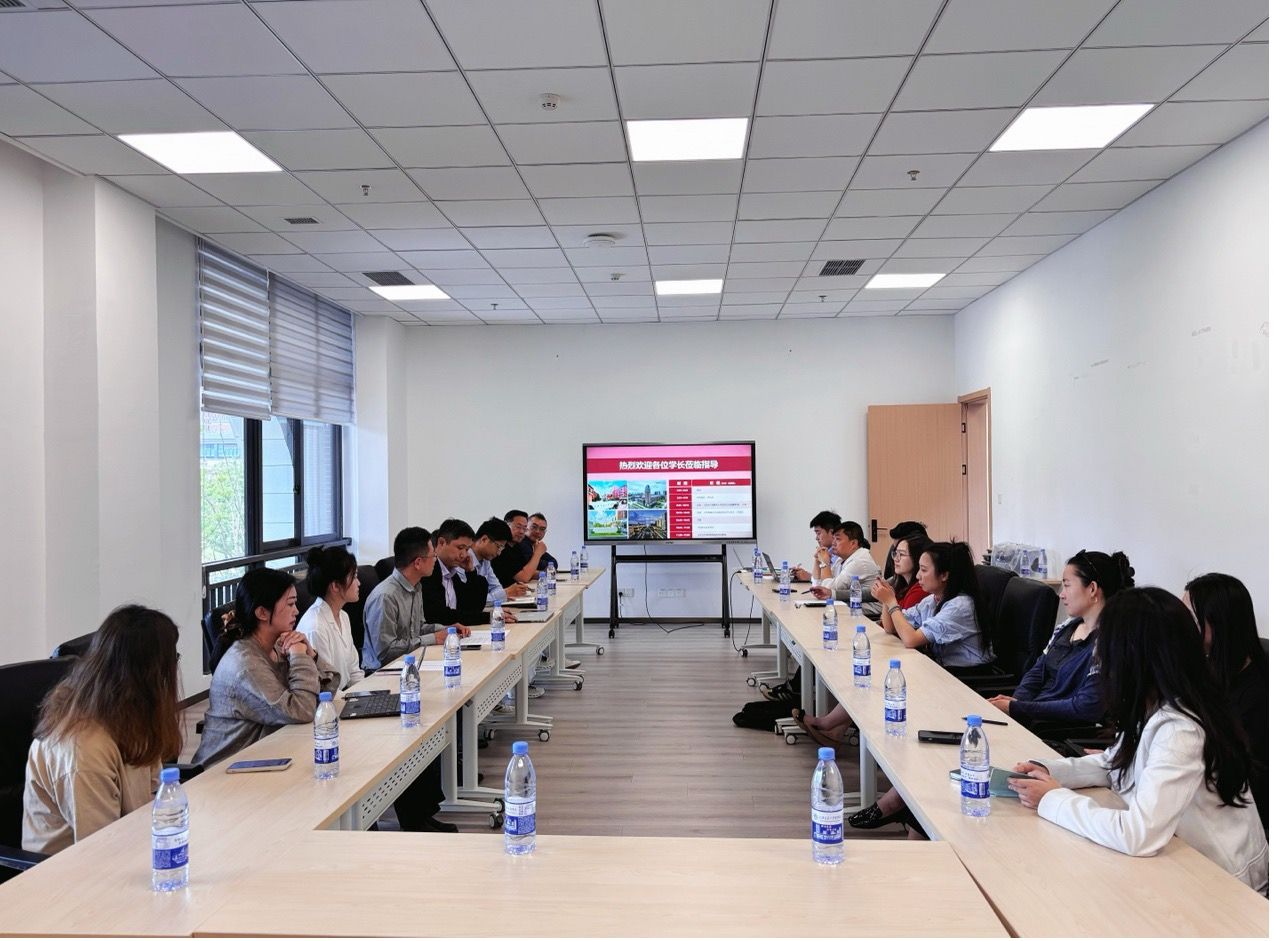
At the event, Vice Dean Zhong Wenze of School of Public Health introduced the development of the Pudong Campus and research platforms of Shanghai Jiao Tong University School of Medicine. In September 2025, the new Pudong Campus of the School of Medicine was officially inaugurated, with core research facilities fully relocated to Pudong, forming a new "dual-campus synergistic development" pattern and providing higher-level platform support for med-engineering interdisciplinary innovation and research achievement transformation. In his speech, Zhong Wenze stated that the School has always adhered to a research orientation of "serving national health strategies and focusing on industrial application implementation," leveraging the interdisciplinary advantages of Jiao Tong University's clinical medicine and engineering to continuously drive innovation in proactive health, wearable medical devices, digital therapeutics, and smart healthcare.
Dr. Ye Cui of School of Public Health returned to China from the California Institute of Technology (Caltech) in early 2025. As an independent Principal Investigator (PI), she established the Flexible Sensing and Proactive Health research team. Dr. Ye systematically introduced current industry pain points of traditional medical testing — including invasiveness, time lag, and inability for continuous monitoring — and highlighted the team's flexible sensing technology based on sweat analysis. The team focuses on full-life-cycle women's health monitoring and management, addressing key scientific challenges such as trace biomarker detection and multi-target linkage monitoring in sweat. They have constructed a novel detection system integrating nucleic acid sensing, flexible inkjet electrodes, and microfluidic sweat collection. Through self-designed flexible electrode structures and multi-dimensional sensing modules, detection efficiency has been significantly improved, with stable continuous sweat collection achieved, meeting the demands for non-invasive, real-time, and continuous health monitoring. Currently, this technology has been integrated into wearable devices such as flexible sensing wristbands and smart patches, applicable to scenarios including women's health management, nutritional metabolism monitoring, and dynamic drug tracking. Related detection results show high correlation with clinical blood tests. Research findings have been published in internationally renowned academic journals such as Nature Nanotechnology and Nature Materials, attracting wide attention from the international academic community and driving relevant health technology enterprises to complete financing and industrialization layouts.
Subsequently, Dr. Ji Shoucheng from Shanghai Institute of Technology delivered a thematic presentation on "R&D and Industrialization of 3D Intelligent Printing Equipment," systematically introducing the team's research progress in high-performance additive manufacturing equipment, autonomous and controllable printing systems, and advanced composite material applications. The presentation highlighted the application prospects of high-performance specialty materials such as PEEK, carbon fiber-reinforced composites, and multi-material collaborative printing technology in aerospace, medical devices, intelligent robotics, and advanced manufacturing. For example, through high-precision printing processes, one-step rapid fabrication of flexible sensors, electrode structures, microfluidic channels, and wearable devices can be achieved, greatly enhancing design freedom and customization capability while shortening R&D and industrial transformation cycles. In terms of medical health, Dr. Ji stated that 3D intelligent printing technology can be widely applied in personalized rehabilitation devices, implantable medical devices, smart prosthetics, and wearable health monitoring systems, providing important technical support for precision medicine and proactive health management. Meanwhile, high-performance biocompatible materials such as PEEK offer significant advantages in high-temperature resistance, corrosion resistance, and mechanical properties, meeting the demands for long-term stable operation in complex medical environments. Combined with current development trends in flexible sensing and proactive health, the deep integration of 3D intelligent printing with flexible electronics, biosensing, and AI algorithms will further promote med-engineering interdisciplinary innovation, providing new growth momentum for next-generation smart wearable devices, high-end medical equipment, and the digital health industry, as well as creating more opportunities for university research achievement industrialization and cross-domain collaborative innovation.
During the technology discussion and industry matchmaking session, participants engaged in in-depth exchanges on product commercialization pathways, clinical application scenarios, and industrial cooperation models. Several experts from medical investment and industrial operations believed that this flexible sensing technology holds broad market prospects in chronic disease management, reproductive health monitoring, and tumor biomarker detection, with particularly high industrial value in precision cycle management for assisted reproduction. Participants also exchanged views on 3D intelligent printing technology R&D and high-end medical material applications, exploring the broad prospects in medical precision device manufacturing. In the discussion, participants delved into topics such as market deployment of medical wearable devices, cost application, clinical validation, and smart health services, expressing unanimous optimism about the development potential of the non-invasive health monitoring industry. They expressed hope to leverage the resource advantages of overseas-returned talents to build a bridge connecting industry, academia, and research. This event established a cross-domain exchange and cooperation platform, further opening channels connecting academic research, industrial practice, and capital. All parties will continue to deepen exchanges and cooperation, accelerate the iteration and upgrading of cutting-edge medical health technologies, and contribute to the high-quality development of the smart healthcare industry, safeguarding public health with science and innovation.
At the conclusion of the event, Dr. Ye Cui stated that in the future, she will lead the team to continue systematic research on flexible wearable sensing technology, further advance the validation and translational application of related technologies in clinical cohorts, and accelerate the development of AI health analysis systems and data models. The team will focus on deepening key technology research in multi-target biomarker detection, continuous dynamic monitoring, and multi-modal data fusion, expanding applications in full-life-cycle proactive health management scenarios, accelerating the localization and industrialization of high-end medical wearable devices, and promoting the transition of research achievements from the laboratory to clinical practice and the market.
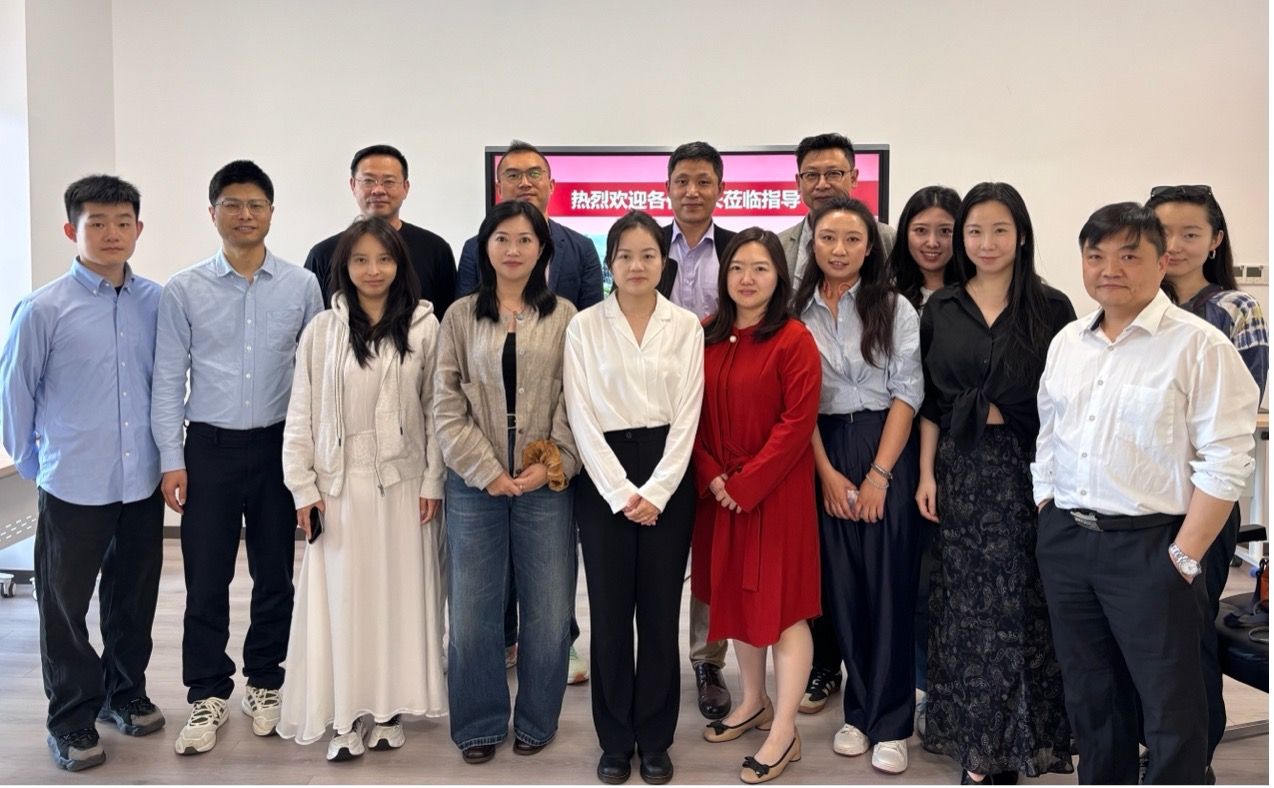
This event further established a platform for exchange and cooperation among overseas-returned talents, university research teams, and industrial capital, injecting new momentum into med-engineering interdisciplinary innovation and technological achievement transformation. Going forward, Shanghai Jiao Tong University School of Medicine will continue to deepen industry-academia-research collaborative innovation, promote the landing and application of more cutting-edge medical technology achievements, and empower the high-quality development of the proactive health industry with technological innovation.